
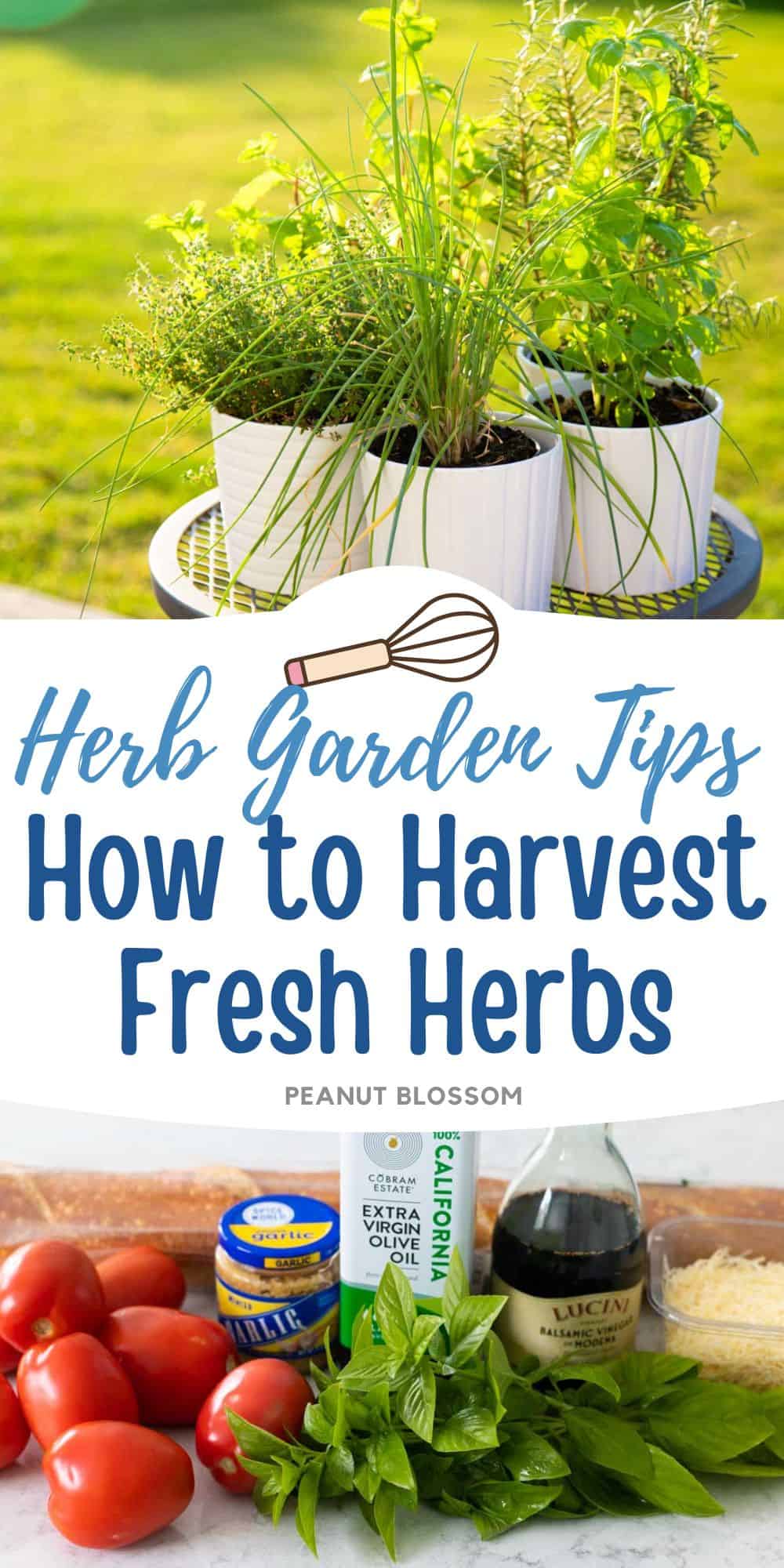
How to Harvest Herbs from Container Gardens


Learn how to harvest herbs from a container herb garden. Easy tips for harvesting basil, rosemary, chives, dill, mint, thyme, and more.
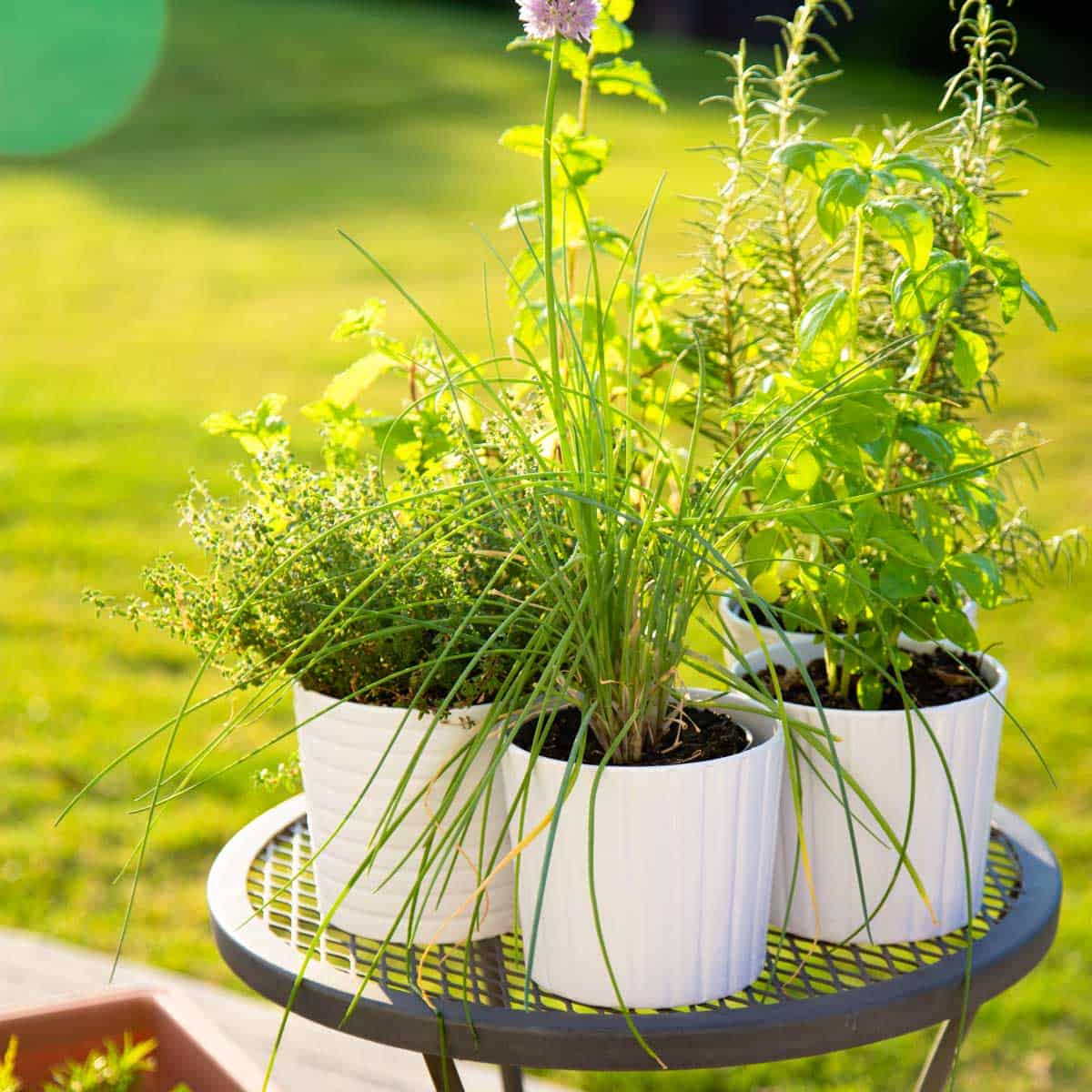
Fresh herbs are the first thing I plant in my vegetable container garden each spring.
Many herbs love the slightly cooler weather and thrive through spring and early summer.
Though fresh herbs are so easy for even beginner gardeners to grow, knowing how to harvest the herbs for using in a recipe was the thing I found to be most confusing when I first got started.
Each herb plant has a slightly different way you should harvest the herbs, so here is a guide to help you know just when and how to cut the herbs for your kitchen!
How to Know When Herbs are Ready to Harvest
I do not recommend harvesting herbs right after you’ve planted your herb garden. You want to give the plants some time to establish.
Wait until the plant has several healthy stems or enough growth that trimming back some of the plant won’t strip it bare.
Start by taking just a little at a time but once your herb is full and busy you’ll be able to harvest more often.
The key trick is to never remove more than one third of the plant at once.
Best Time of Day to Harvest Herbs
I’ll admit that I grab what I need when I need it, and that’s often right at dinner time.
But this does risk the plant being less hydrated as it worked all day to grow in the summer heat.
For the best flavor, I recommend harvesting herbs in the morning after the dew has dried and before the hot afternoon sun arrives.
I personally like to give them a little drink the night before if I know I’m going to be harvesting in the morning. That way the plant can absorb the liquid overnight.
Quick Herb Harvesting Cheat Sheet
- Basil: Pinch the leaves or cut the stems above a leaf pair.
- Chives: Cut stalks near the base.
- Cilantro: Trim the stems, leave the lower leaves to grow.
- Dill: Cut older outer stems first.
- Thyme: Snip the outer tender stems first.
- Rosemary: Cut sprigs from newer growth or let stalks grow tall and thick for using in kabobs.
- Mint: Cut the stems and then pluck the leaves.
Common Harvesting Mistakes
It took me a few years of killing my herbs too soon to learn how to avoid beginner gardening mistakes.
Here are some simple things to keep in mind for your first herb garden:
- Don’t Let Them Flower: Once basil and cilantro flower, the plant is done for. You’re better off harvesting it more frequently so it doesn’t get a chance to flower.
- Don’t Cut Too Much: I over corrected and got a little aggressive with my basil one year and the plant couldn’t keep up with new growth.
- Don’t Pull: Even though thyme sprigs and chives both look like they could be pulled, their roots are connected to the core plant. Trim them at the base.
- A Warning About Mint: If you want to add mint to your garden, just know that it grows faster than a weed and will try to kill off the rest of your herb garden. It’s best to add it to its own pot. Keep it away from your lawn or it can spread there, too.
My Favorite Herbs to Grow
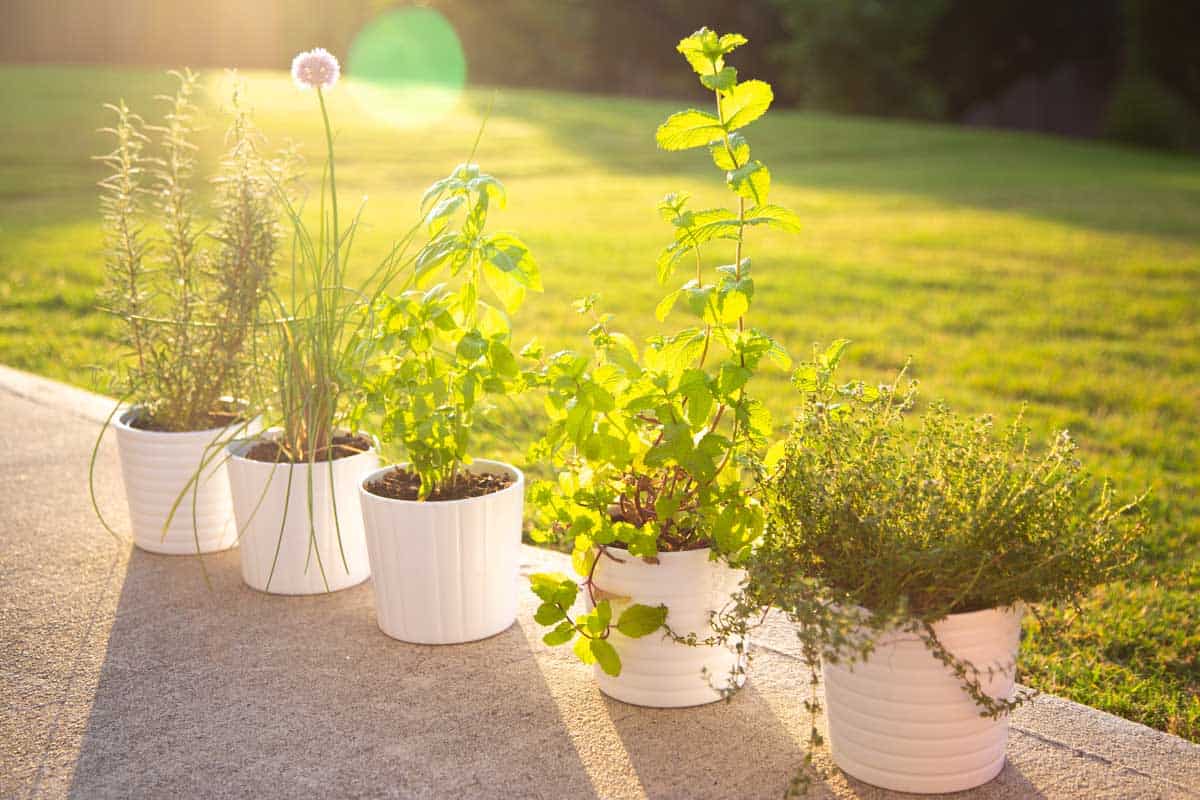
Ready to get gardening? Let’s explore my favorite herbs that I keep in my patio garden each year:
Harvesting Basil
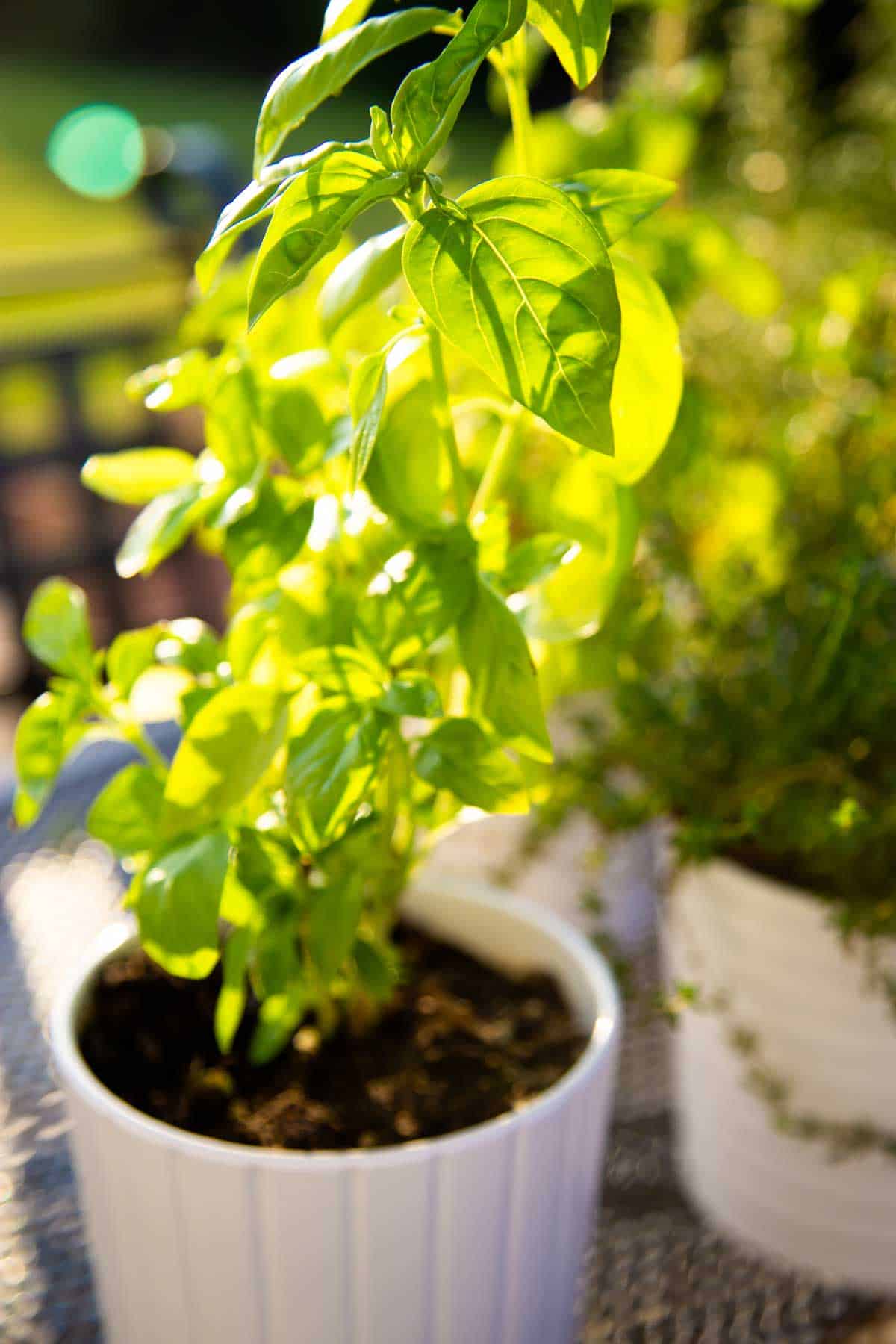
The most important thing to remember about harvesting basil is don’t let the basil plant get too tall or flower.
Once the basil plant grows the tiny white flowers at the end of each stalk, the basil leaves will become tough and turn bitter.
Instead, harvest your basil plant frequently by pinching off the largest leaves with your fingers or trimming the stems back with a scissors.
In the early days I pinch; as it grows taller, I cut.
The plant will continue to sprout fresh leaves and provide basil for several weeks.
How to Use Fresh Basil
You can use the leaves whole as an accent for sandwiches like my candied bacon and basil cheeseburgers or a classic BLT.
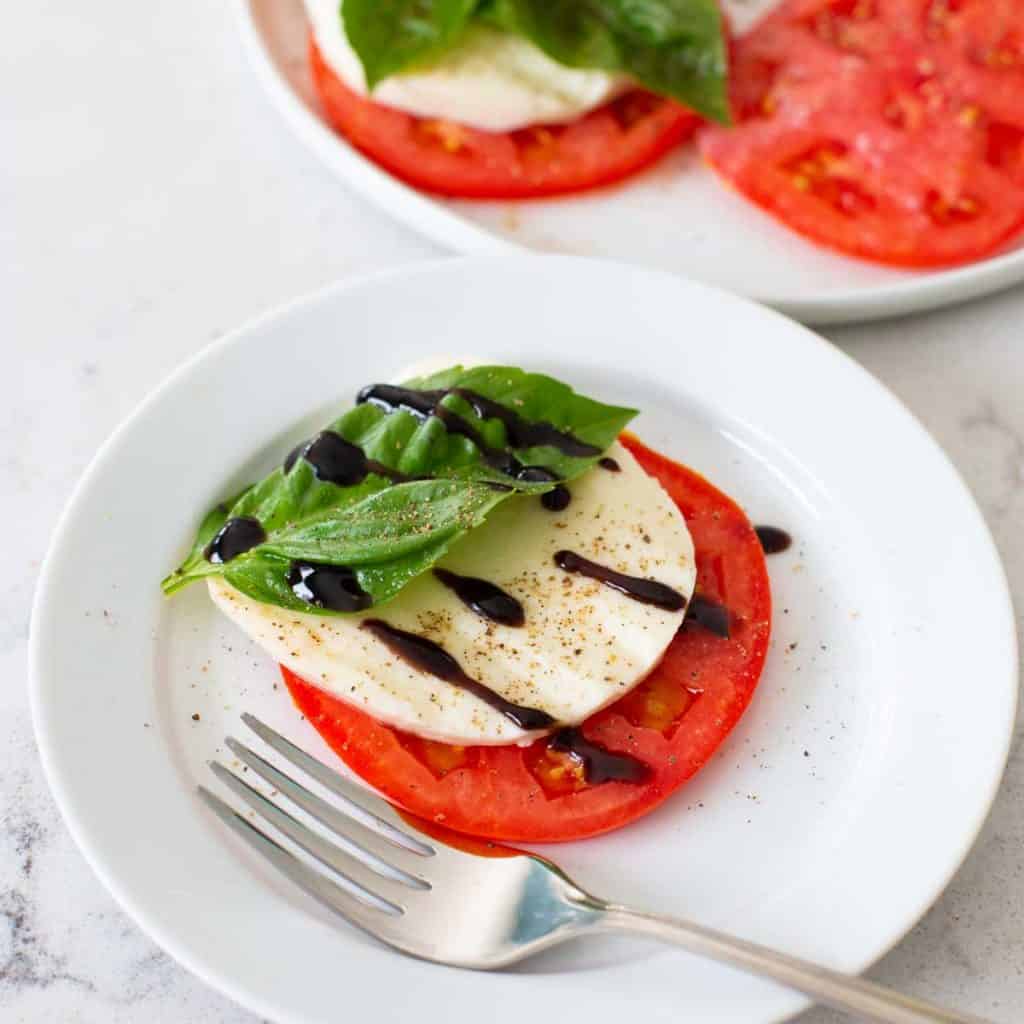
I love to layer them into my caprese salad and sprinkle on my homemade pizzas.
You can also use them to make homemade pesto or to add a basil boost to jarred pesto recipes like my creamy chicken pesto sandwiches.



Harvesting Chives
Chives are one of my favorite herbs to grow in my container garden. I find millions of ways to use them.
Harvesting chives is as easy as “cutting its hair.”
Gather a handful of the green stalks with one hand and use a scissors to trim them towards the base of the plant. Leave a couple of inches for the plant to regrow like you would if you were cutting your grass.
How to Use Fresh Chives
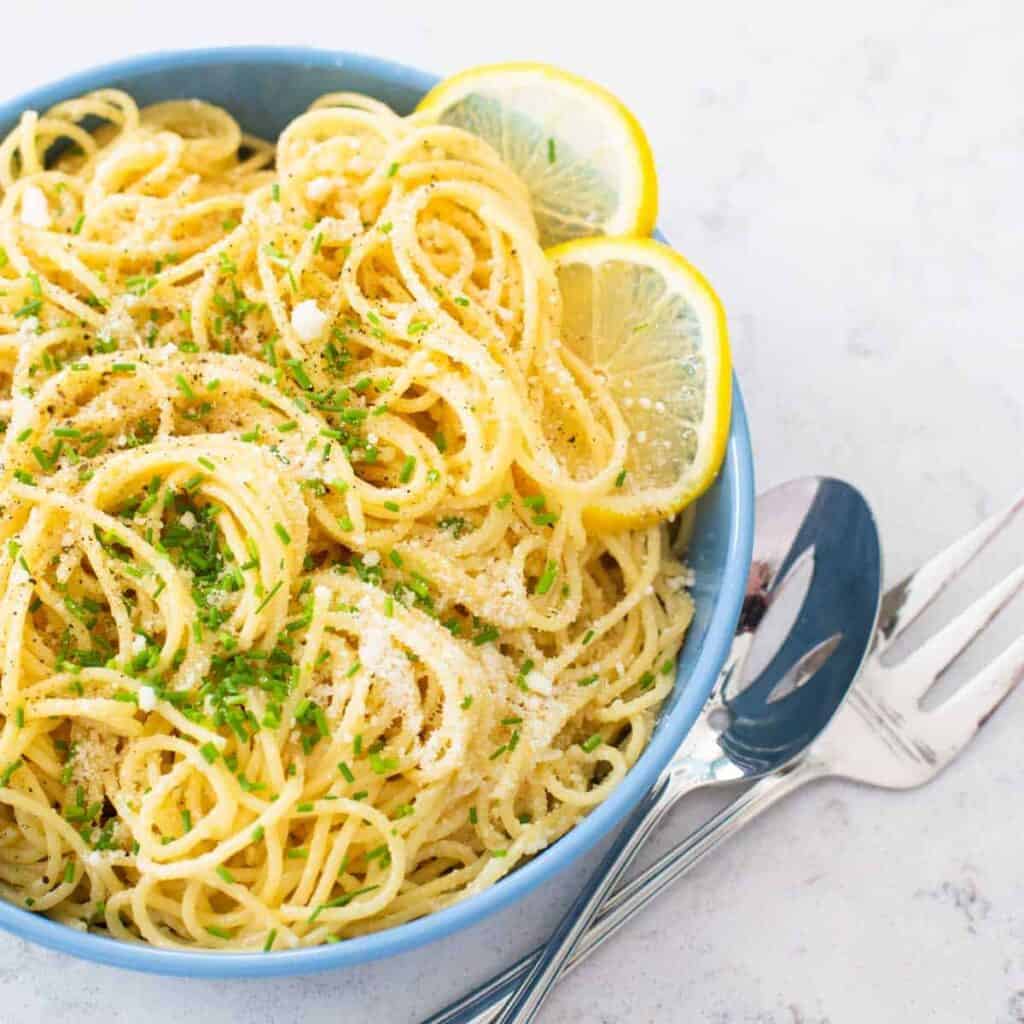
I use fresh chives as a garnish for so many dinners, I love that boost of fresh green on top. It is one of the best things to stir into my lemon butter pasta with chives.
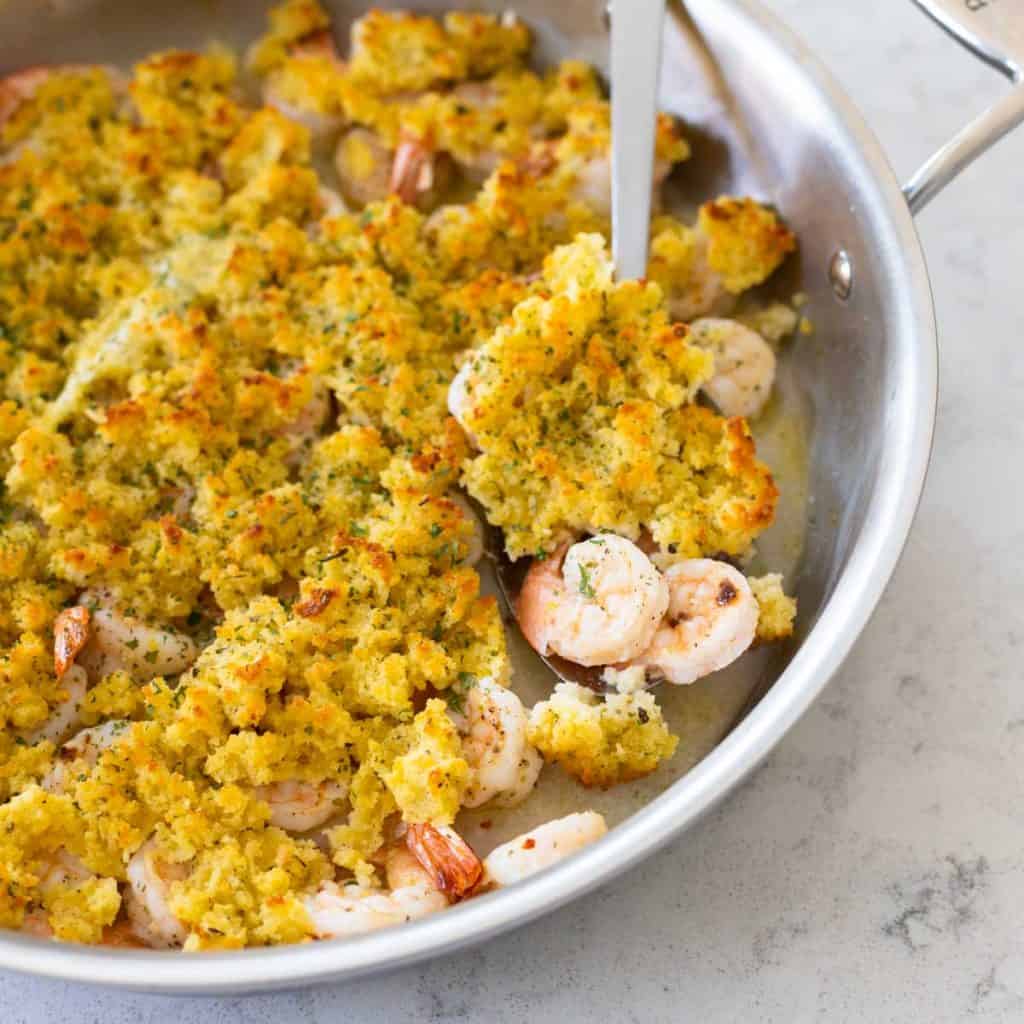
You can also use it in place of green onions in many dishes. It adds a mild onion flavor to my chicken bacon ranch pizza and works instead of parsley over my baked shrimp scampi.
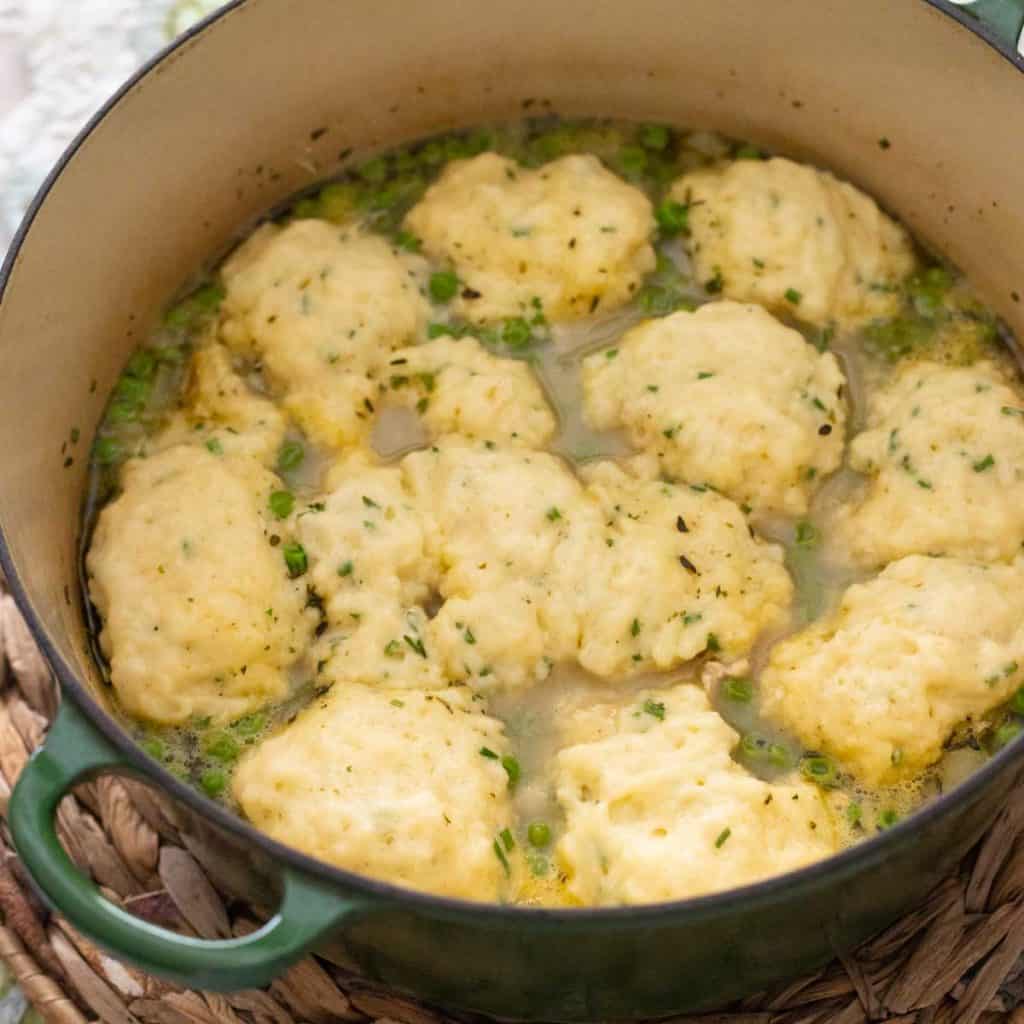
I love the spring herby flavor it adds to a hearty casserole like my Dutch oven chicken and dumplings, too.

Chive Blossoms
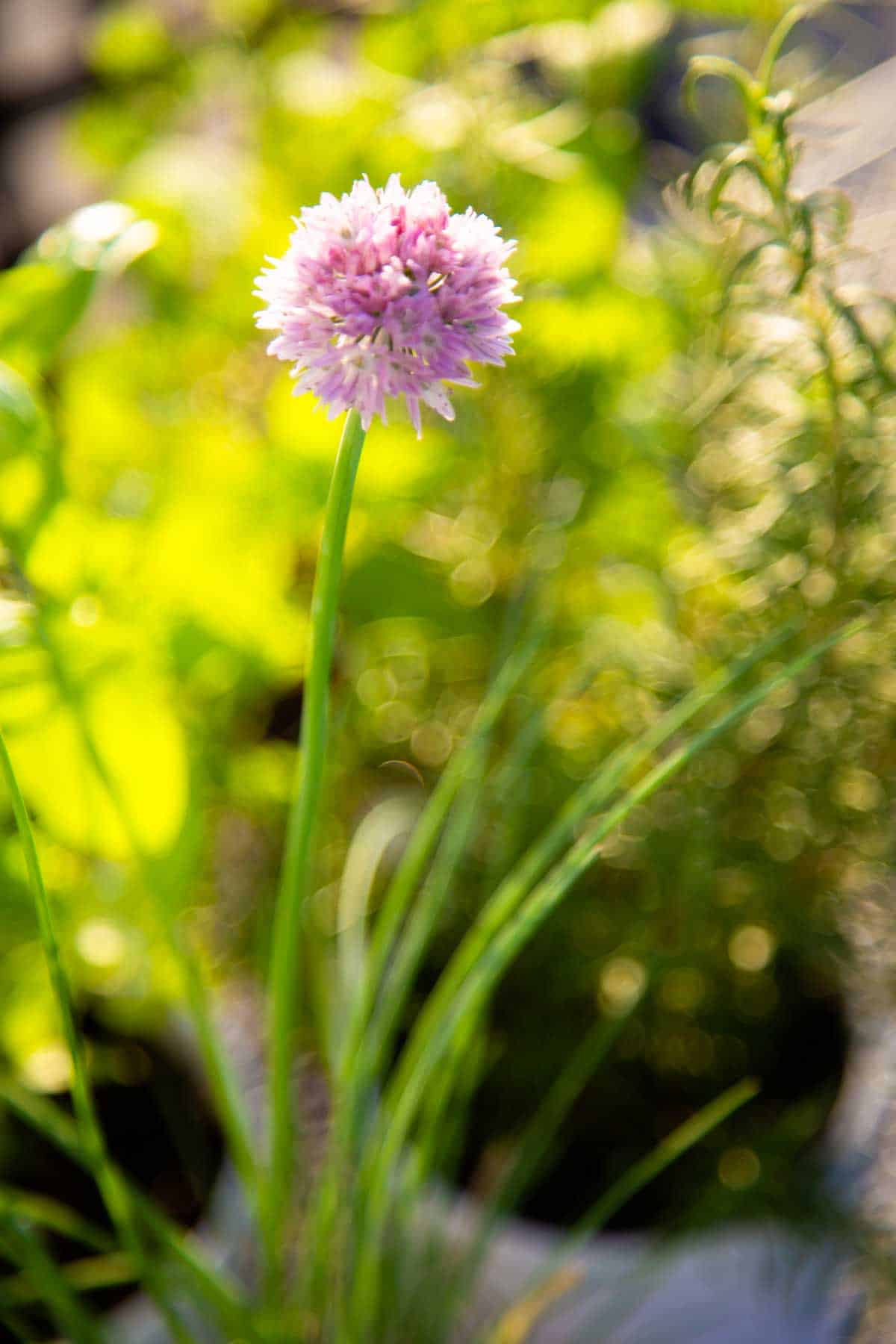
If you’re wondering if chive blossoms are edible, the good news is they absolutely are!
If your chives plant sprouts purple flowers, you can simply cut them off and discard or you can use these onion-flavored blossoms as a way to decorate a salad or other savory dish.
Harvesting Cilantro
Cilantro loves heat and sunshine and once you start to grow it, the plant will explode with growth every few days. This is great news if you enjoy making fresh homemade salsa!
When harvesting cilantro, it is important to remember to keep up with the trimming or the plant will get too big and the leaves will turn bitter.
Trim the entire plant down to about 2/3 of the original height leaving some leaves at the bottom for your cilantro plant to use to grow again.
How to Use Fresh Cilantro
Fresh cilantro makes so many dishes taste fresher and brighter.
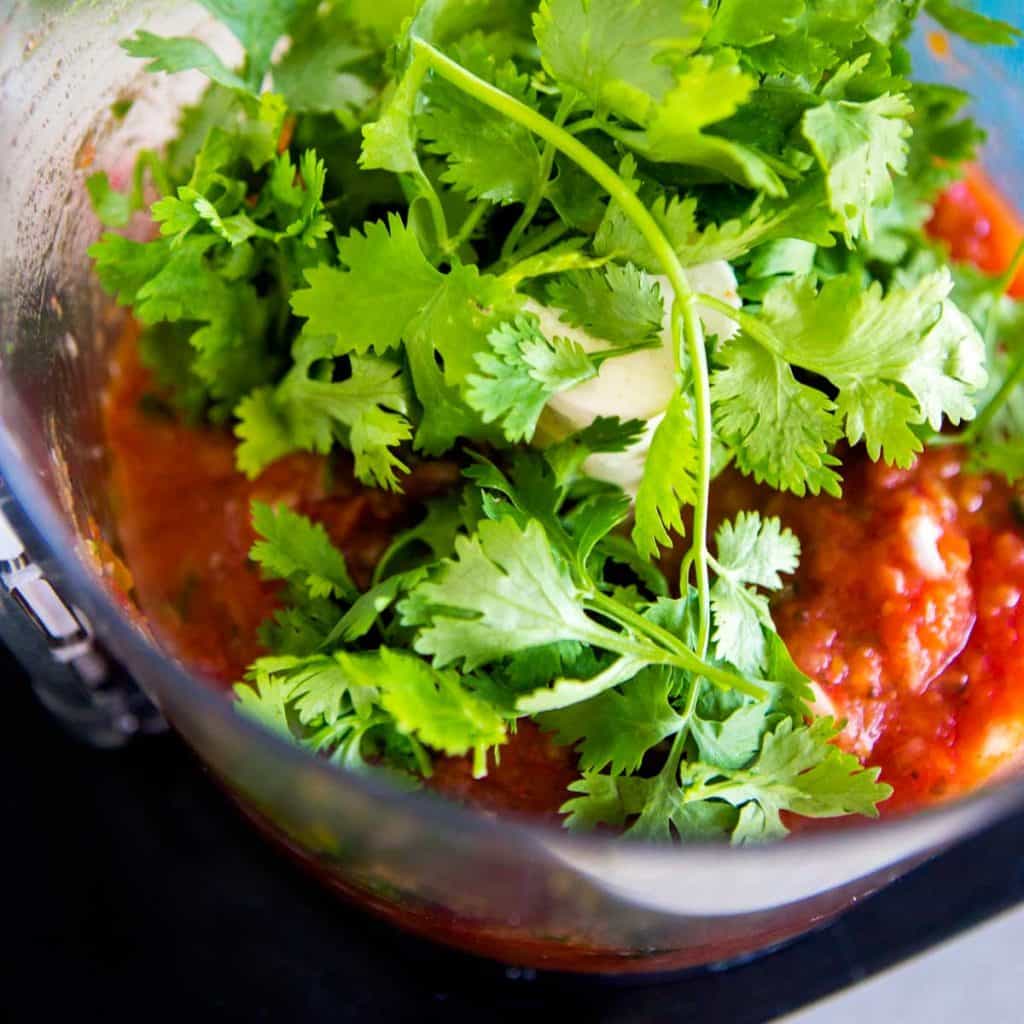
You can use it to liven up basic canned tomatoes and make a homemade salsa that tastes like it came fresh from your garden.
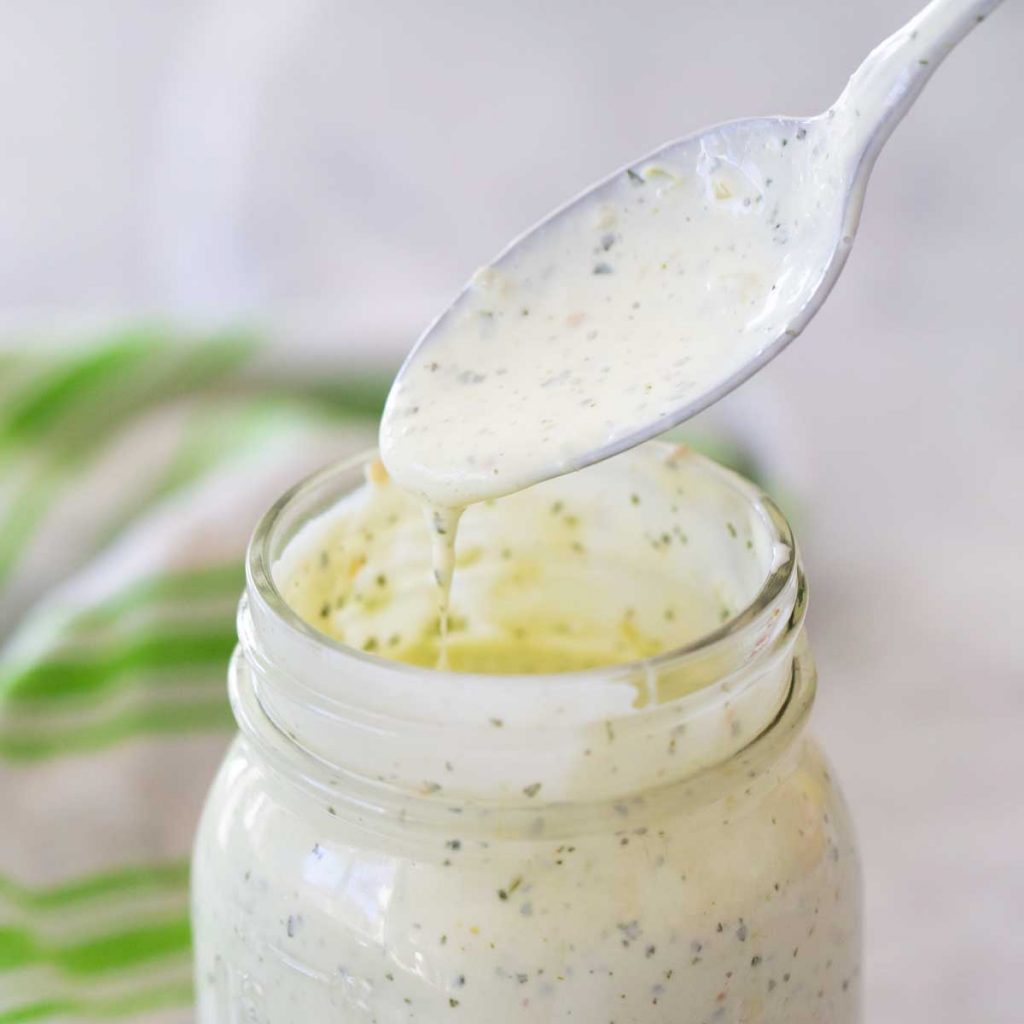
I love to stir it into my cilantro lime ranch dressing for salads or to be used as a dip.
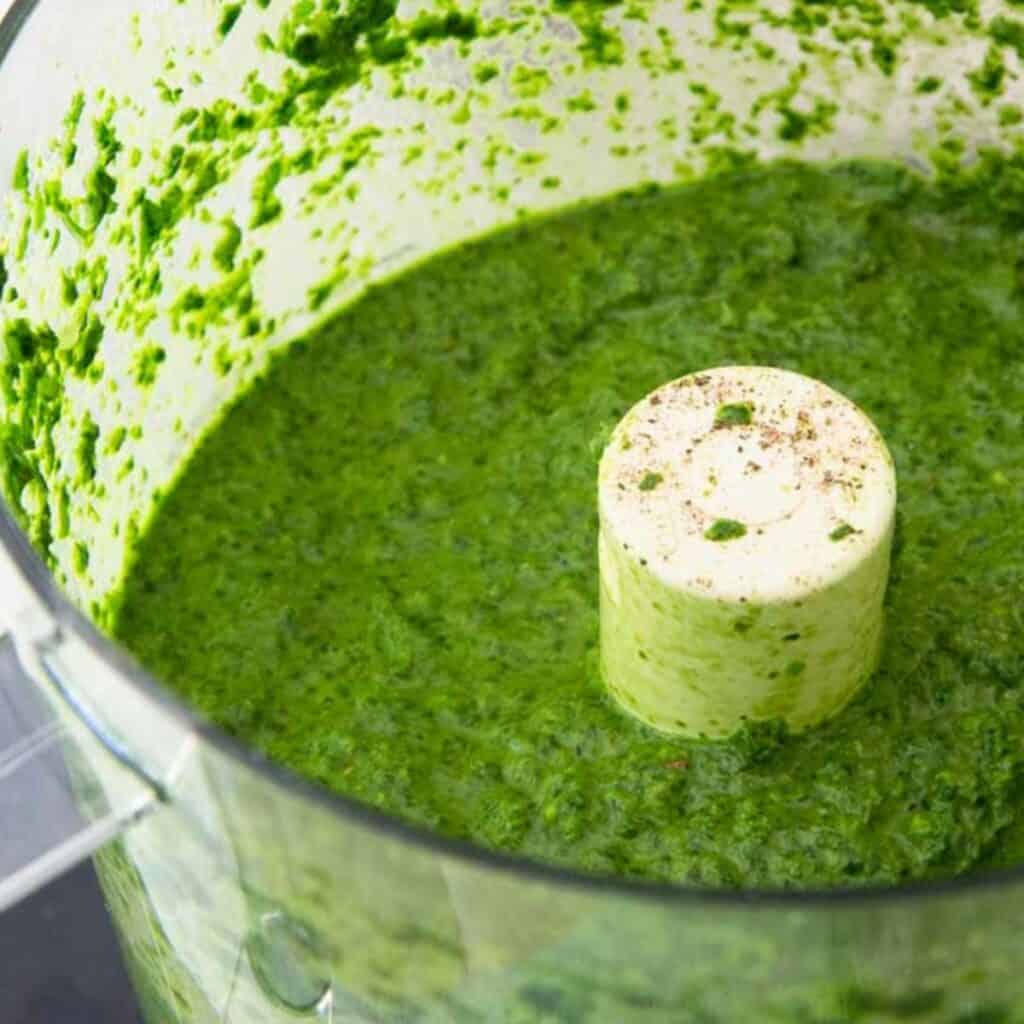
My fresh cilantro chimichurri sauce makes a plain flank steak taste like it came from a restaurant kitchen.
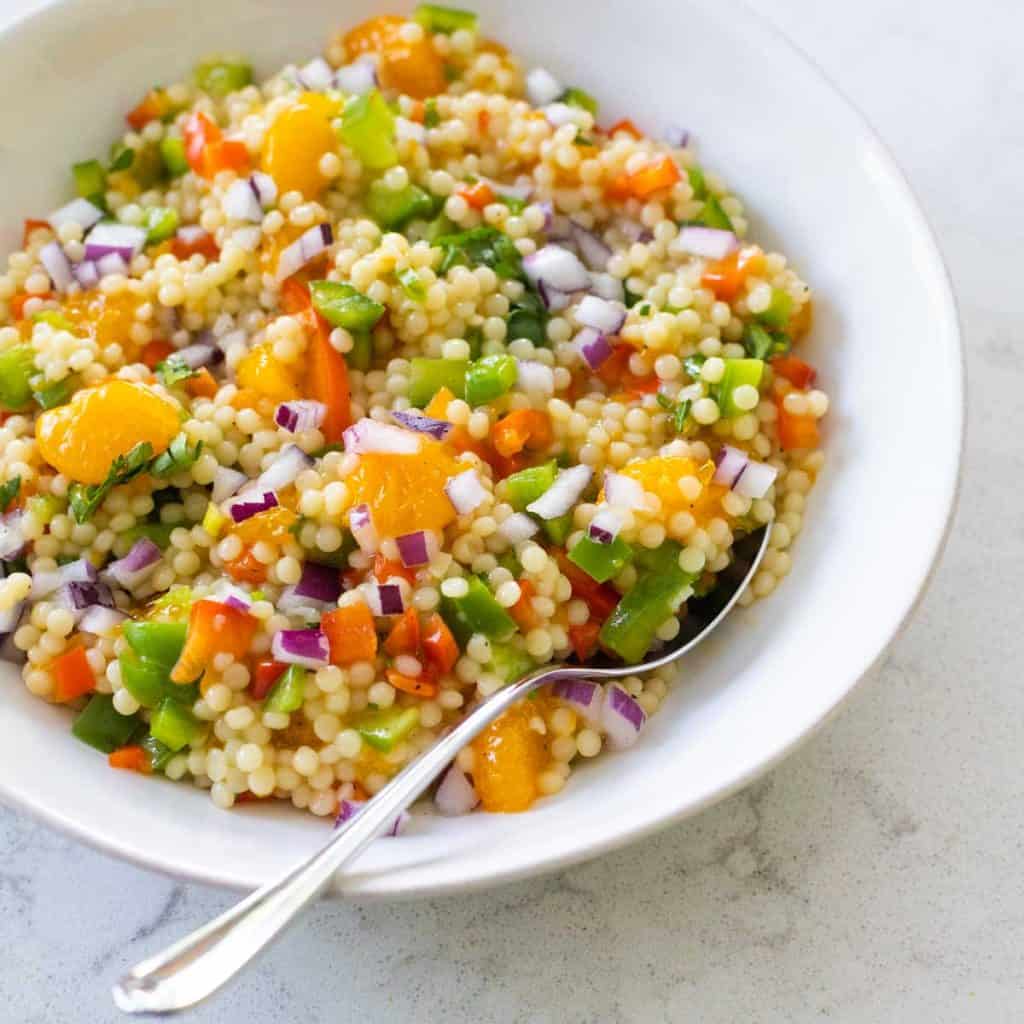
And I love how it brightens up the warm couscous salad with oranges for a citrusy-herby side dish.
Want to Save This for Later?
Harvesting Dill
Much like fresh cilantro, a fresh dill plant really takes off once it starts to grow.
Harvesting dill is so satisfying and easy. Simply use a scissors to trim the stalks towards the base of the plant.
I prefer to cut the older branches first, letting the newer ones grow before harvest. This helps prevent the tender dill from becoming tough by growing on the plant too long.
The dill plant will continue to grow fresh sprouts off the base as long as you harvest the older branches allowing more sunshine to land on the newer sprouts.
How to Use Fresh Dill
Fresh dill is one of my favorite herbs to cook with and use as a garnish on summery dishes.
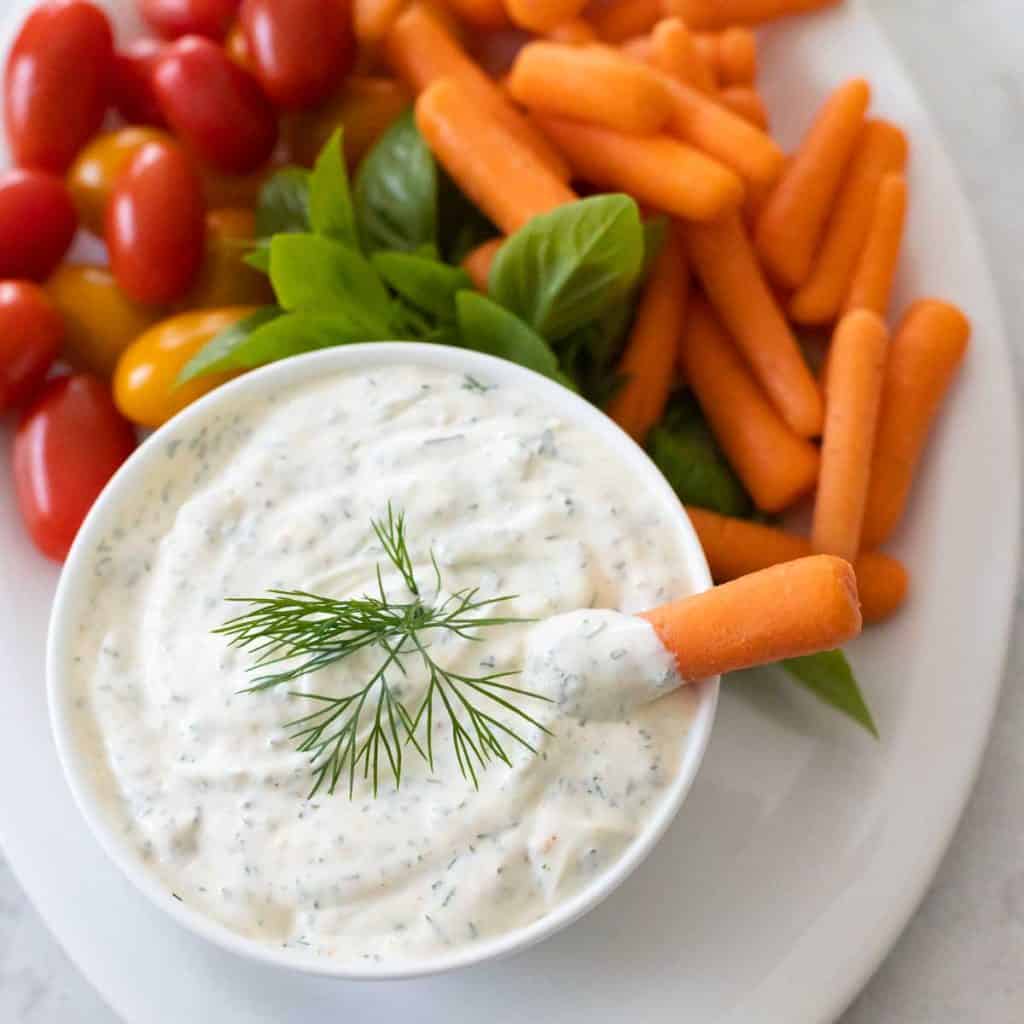
It beats dried dill by a mile in my fresh and easy dill dip for your summer veggie trays.
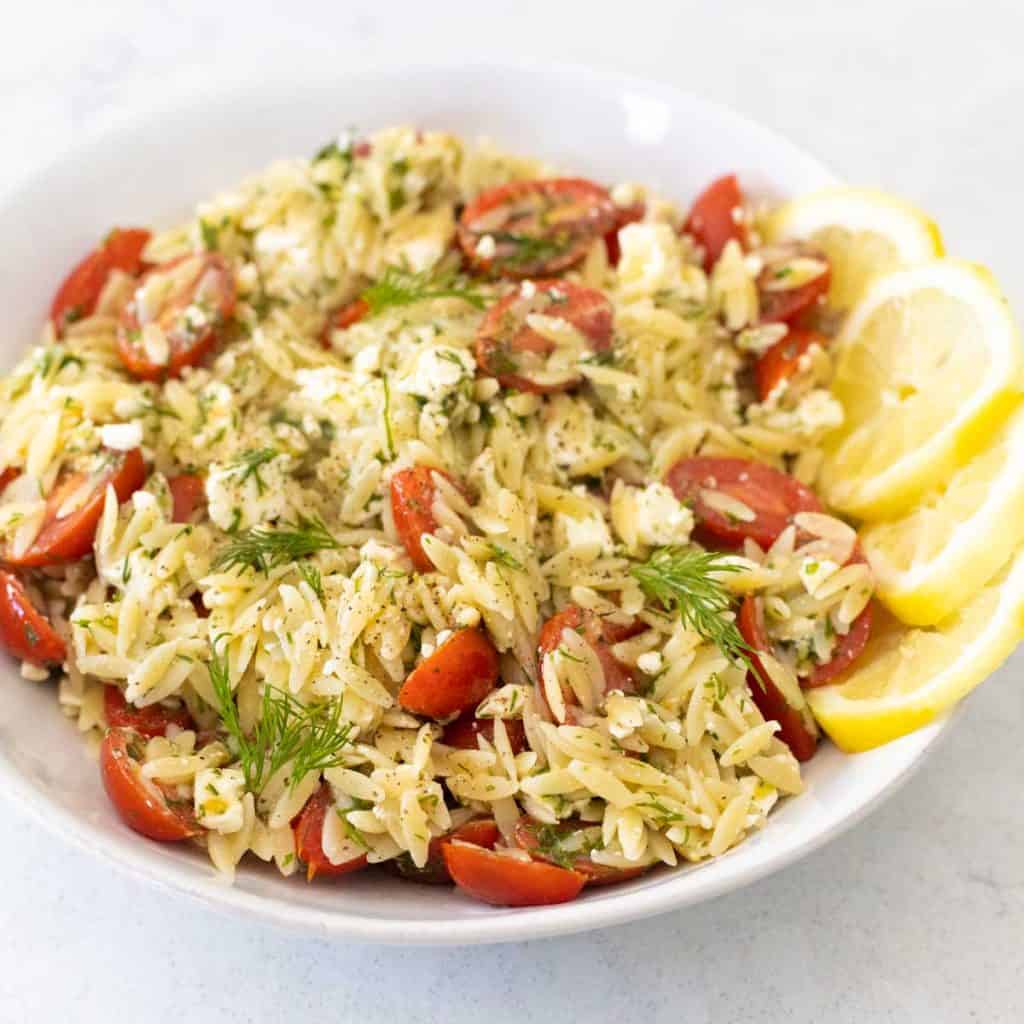
Stir it into my make ahead dill potato salad or this lemon orzo salad for a delicious potluck party dish to pass.
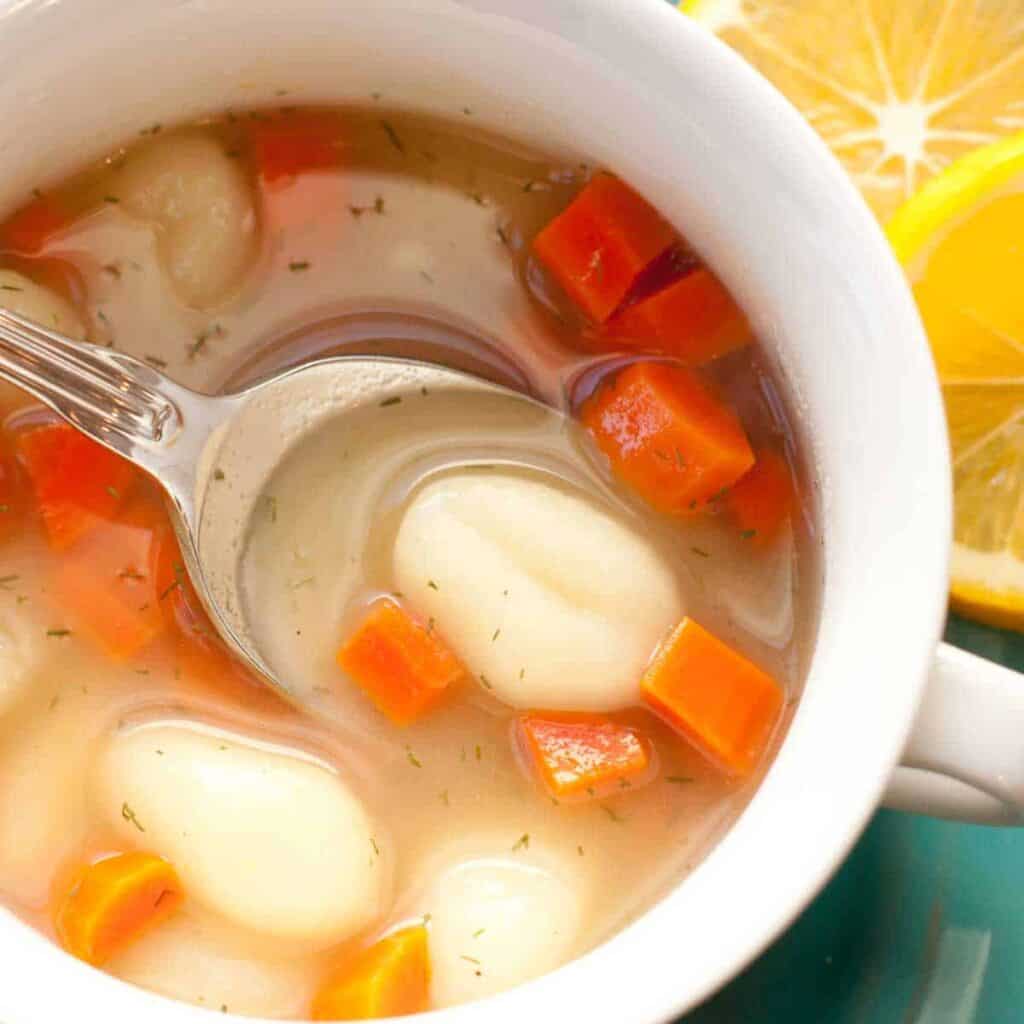
Or save it for a light and lemony gnocchi soup with lemon and dill. This budget-friendly soup is made in just minutes!

Harvesting Thyme
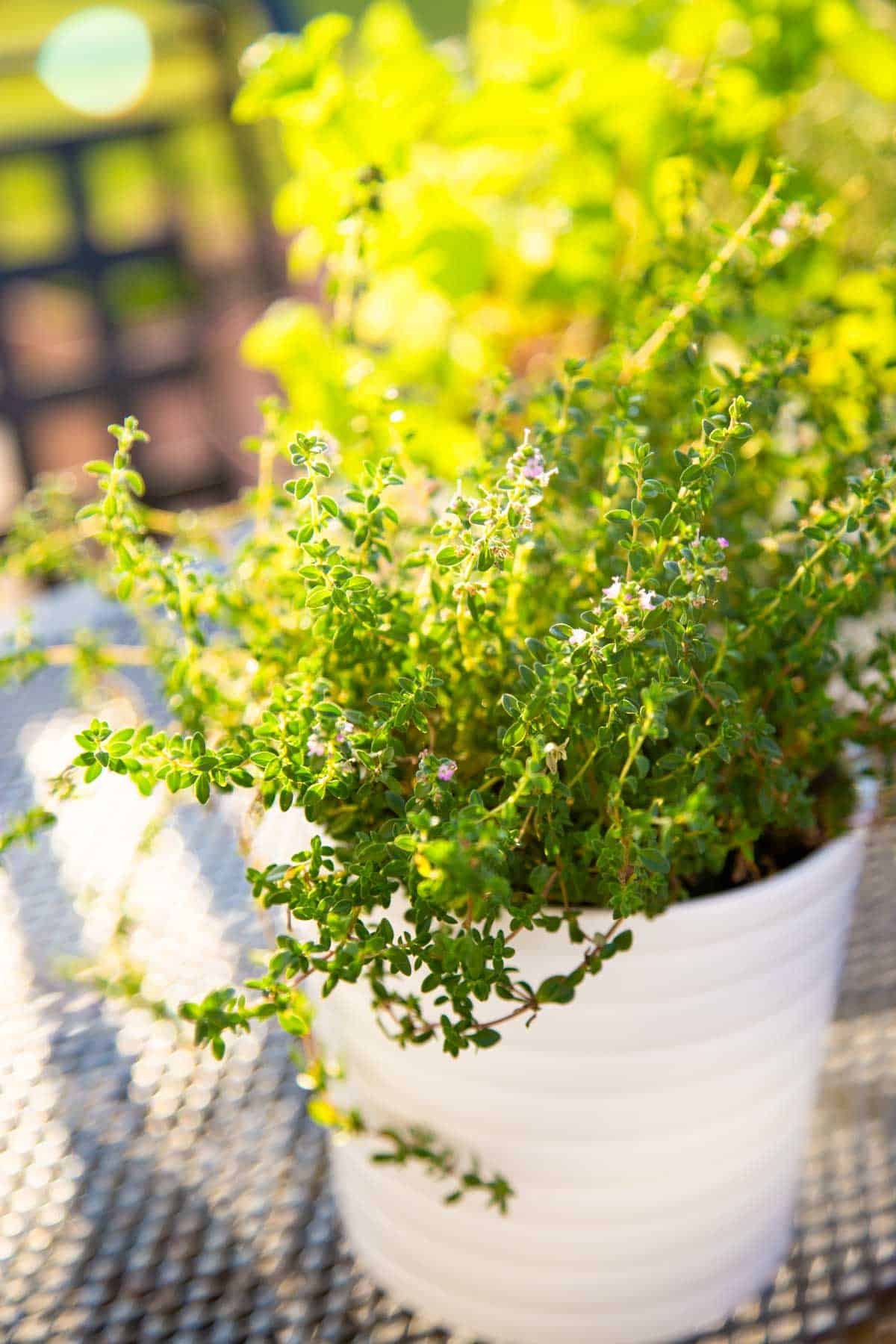
There are several varieties of fresh thyme that grow really well in a container herb garden.
Some grow upright and bushy, other varieties prefer to spread like ground cover.
Harvesting thyme is easy with either variety of plant. Simply use a scissors to trim away the outer branches of the plant.
Leave enough greens on the plant so it can use the energy to replace the stalks you’ve trimmed away.
How to Use Fresh Thyme
Fresh thyme is the one I grab when I want to add a fresh herby flavor to my deeply savory dinner dishes.
It pairs really well with ham, pork, beef, chicken, and root vegetables.
Stir some thyme into the mashed potato filling of my ham and cheese stuffed potatoes for a light dinner.
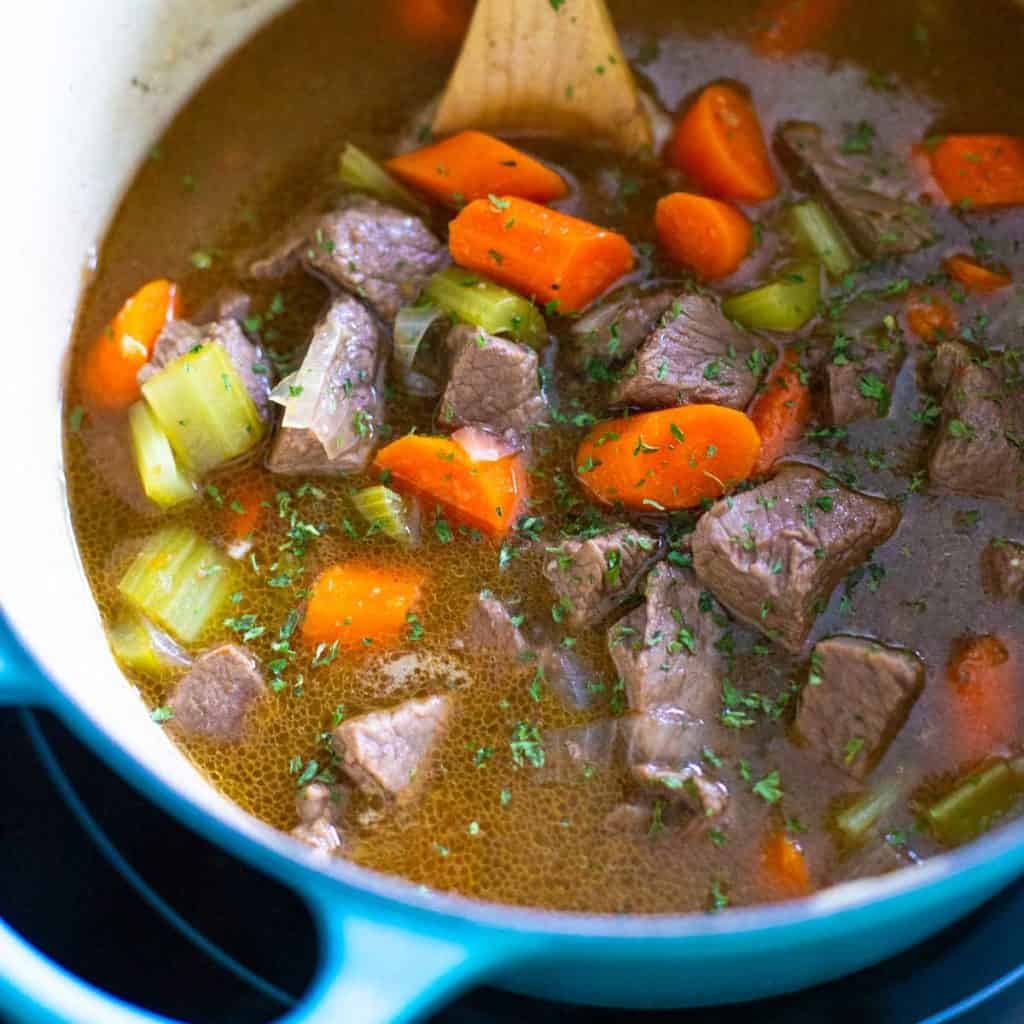
Use sprigs of thyme in my easy stovetop beef stew, the leaves will fall off into the broth and you can simply remove the stems.
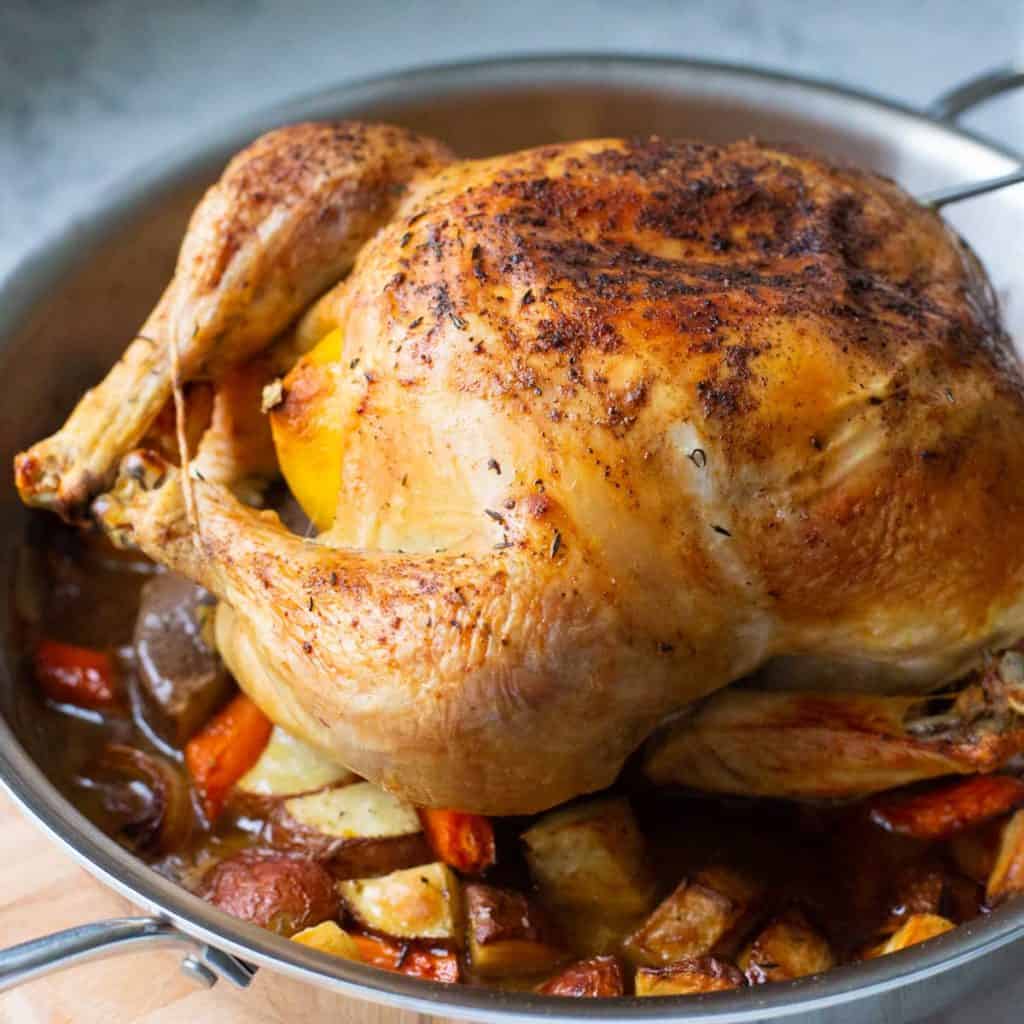
Scatter some sprigs in the roasting pan with the vegetables for my easy roasted chicken.
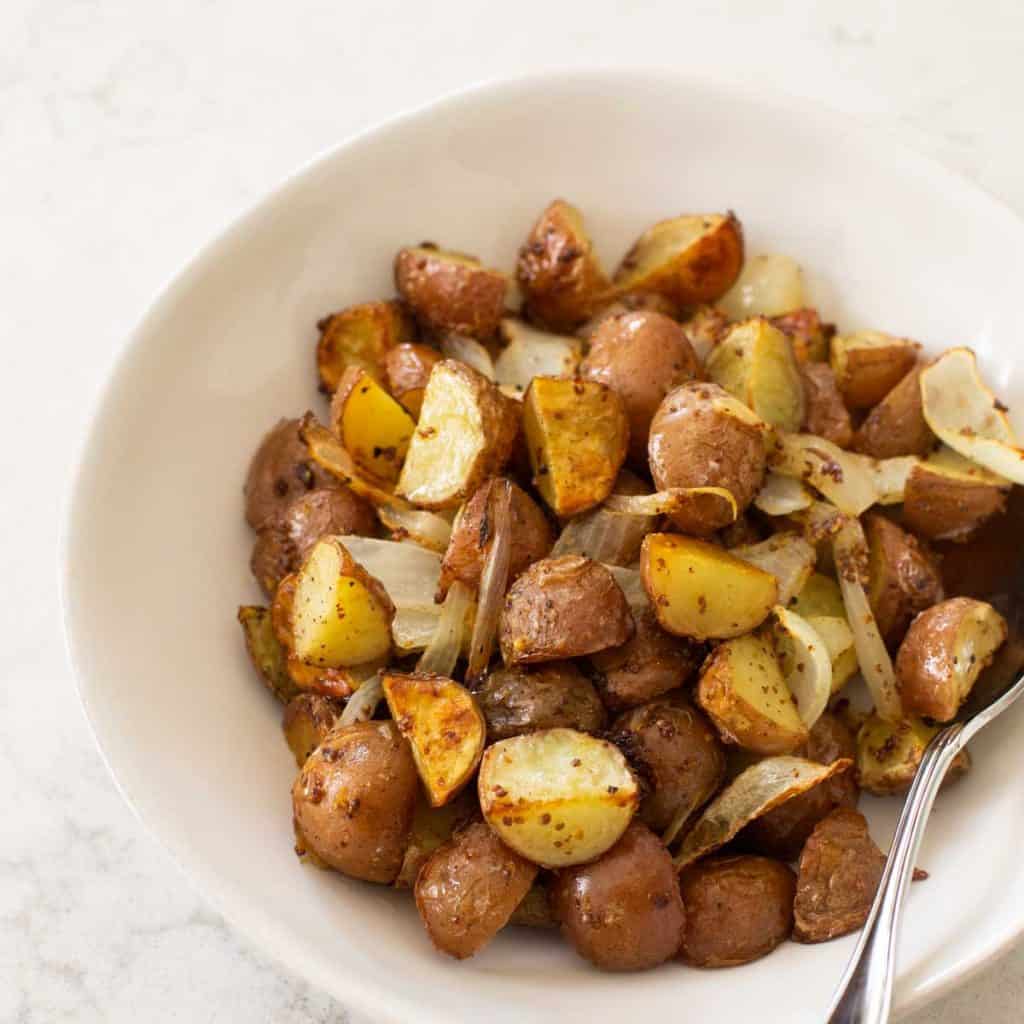
Or pull the leaves from the sprigs and use them in my oven roasted mini potatoes!

Harvesting Rosemary
This is the slowest growing of the fresh herbs in my garden.
Rosemary isn’t something I use a lot of but I enjoy it as we get closer to fall and I start doing roasts again. I just let it grow and do it’s thing.
Rosemary plants don’t spread like other herbs, they grow more like little trees.
As the branches get taller, the age doesn’t affect the flavor. However, the taller the rosemary gets, the more wood-like the stems become.
If you plan to use rosemary branches as grilling kabobs, this is a great incentive for having patience and not harvesting the rosemary too soon.
How to Use Fresh Rosemary
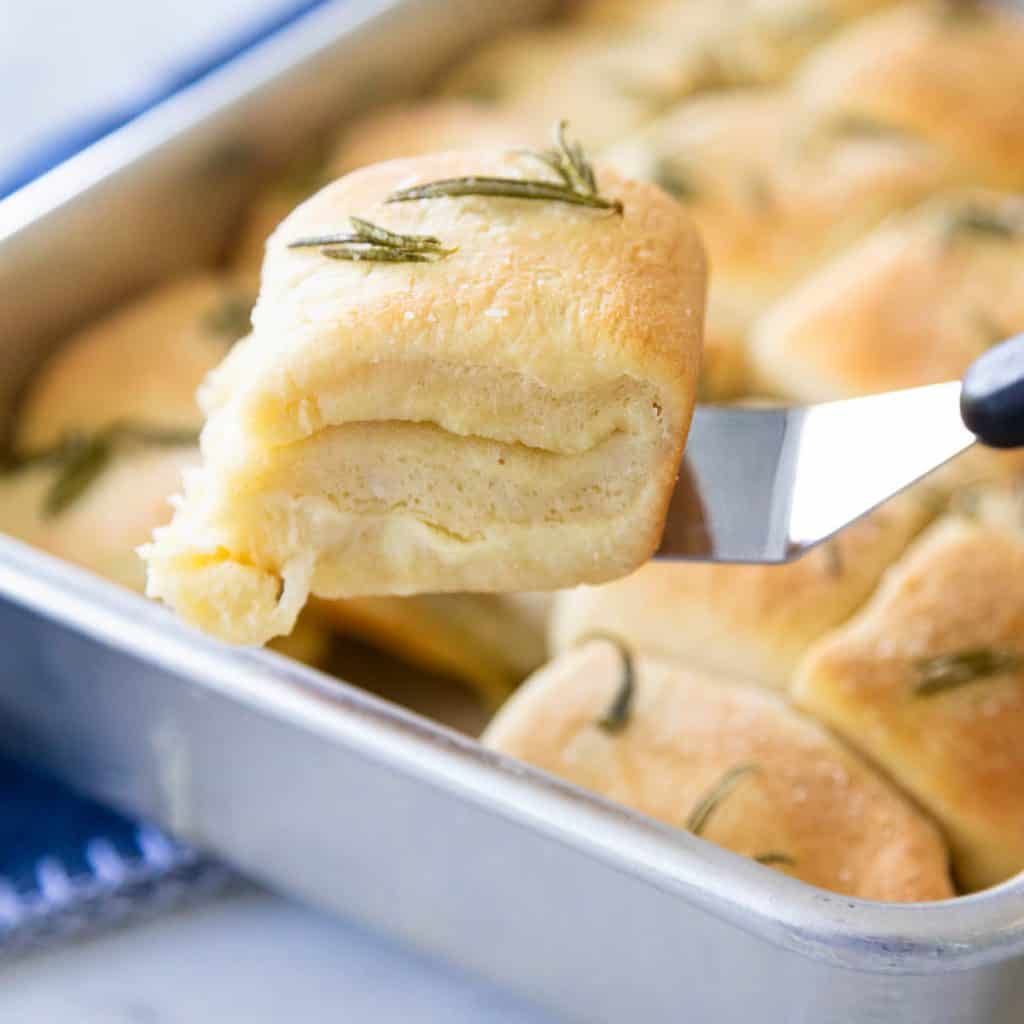
If I had to pick just one recipe for using fresh rosemary, hands down it would be these easy rosemary pull apart rolls. I bake them every fall and sometimes for Christmas and the roasted rosemary sprigs on top are the very best.
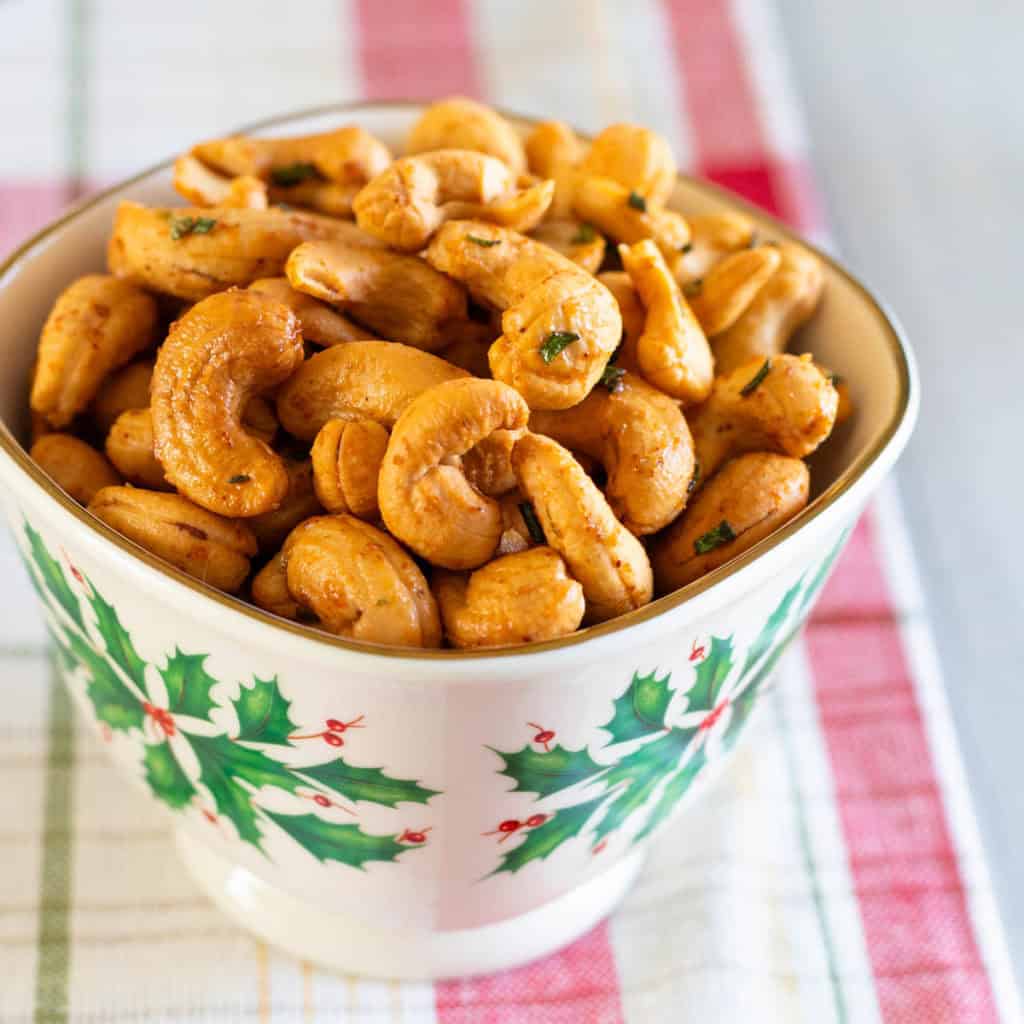
Rosemary adds a lovely burst of holiday flavor to roasted rosemary cashews for a party snack.
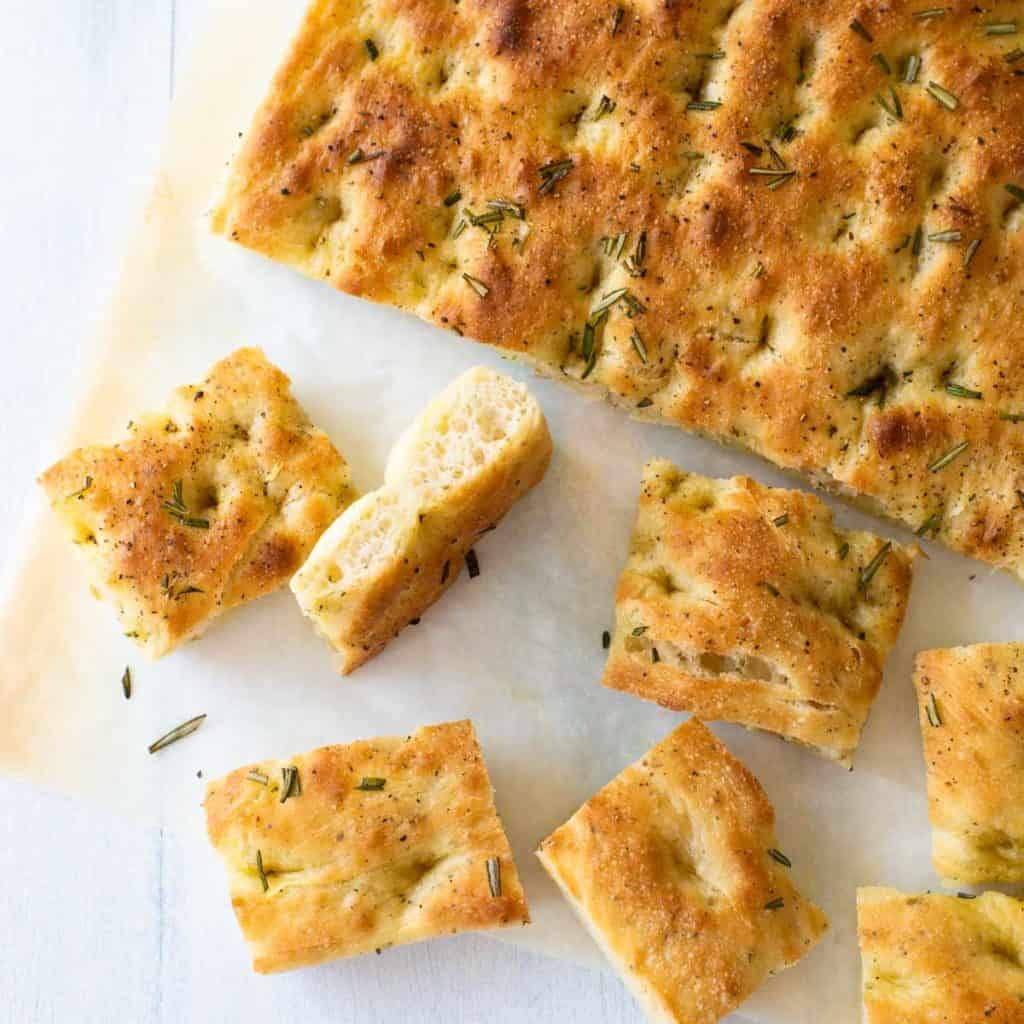
In the summertime it pairs really with with hearty tomato dishes, especially if you dunk a square of my bread machine focaccia loaded up with rosemary and sea salt!
Or try something totally new and use it to make my refreshing rosemary peach lemonade.
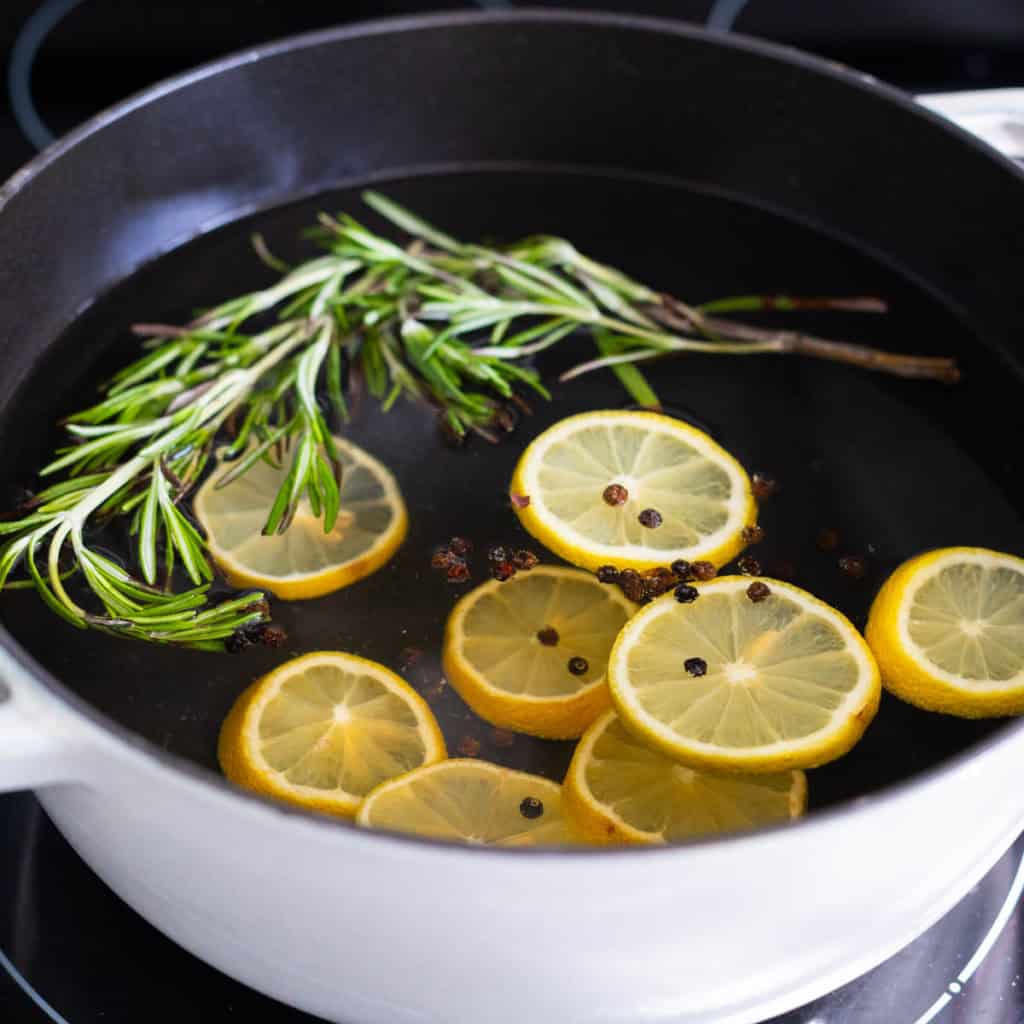
If you’ve been cooking up a storm and the house could use a refresher, you can add fresh rosemary and lemons to my easy simmer pot for cleansing your kitchen!
Harvesting Mint
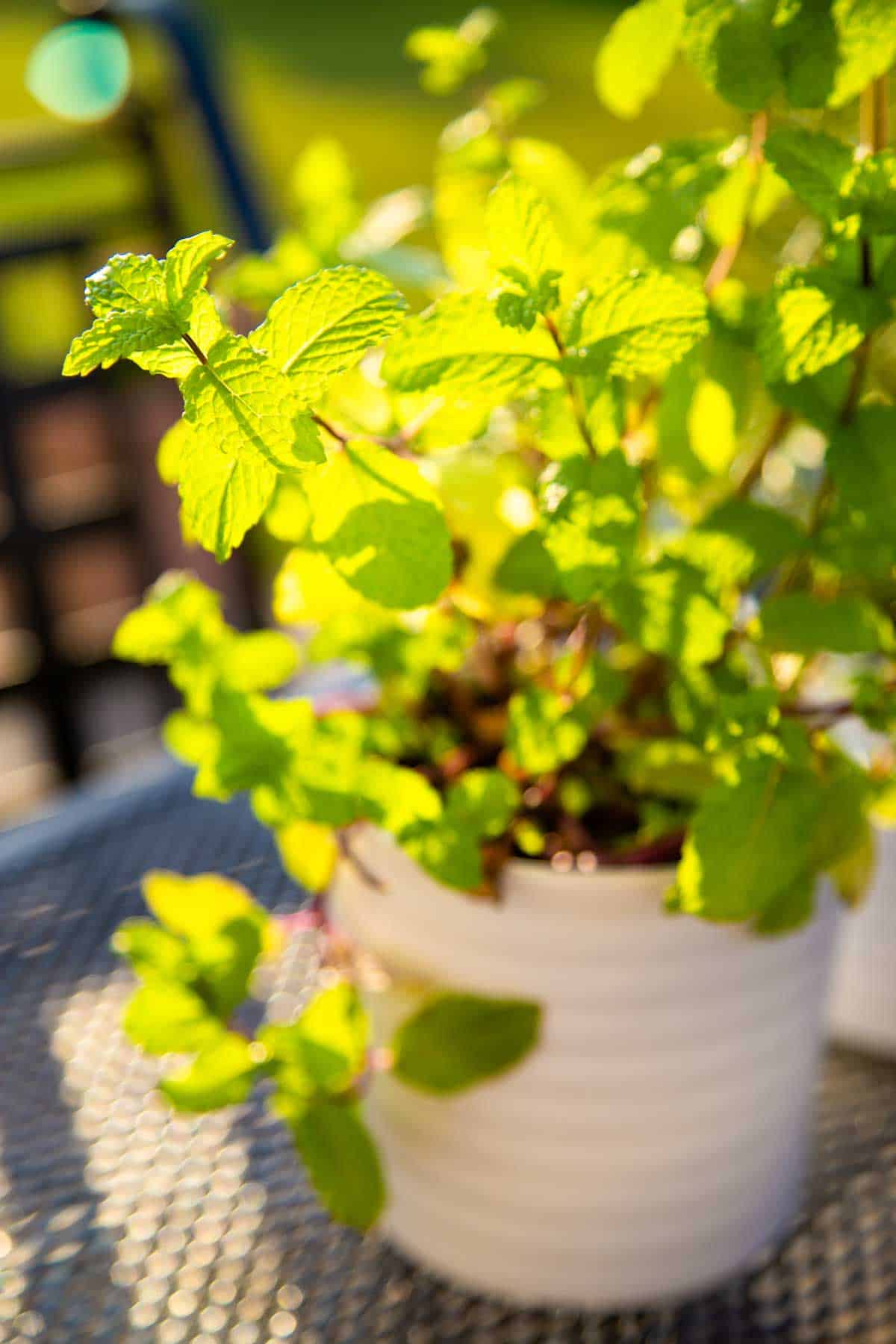
Be careful if you plan to grow fresh mint, this herb plant tends to spread and take over gardens quickly!
We grew one plant of it several years ago and still find baby sprouts in my herb garden containers every spring.
Fresh mint makes a delicious garnish for desserts and is essential for mojitos, so harvesting the mint has excellent results!
To harvest the fresh mint, simply use a scissors to trim back the branches. The plant will quickly regrow more stalks for you to use soon.
To use the mint, you want to pluck the leaves from the stalk, the actual branch isn’t quite edible.
How to Use Fresh Mint
Fresh mint makes the prettiest garnish for desserts, cocktails, and lemonades in the summertime.
I use it my blood orange mojito mocktails and strawberry shortcakes but you might be surprised to know it is hiding inside my sweet mojito salsa with limes!
And if your family ends up with a dreaded summer cold, you’ll want to save some fresh mint for adding to my homemade chicken soup for flu season. It is just one of the secret ingredients that give that broth such a unique flavor.




How to Store Fresh Herbs After Harvesting
Harvest fresh herbs frequently to keep your container garden plants healthy.
If you aren’t able to use them in a recipe right away, you can store the herb trimmings wrapped in slightly dampened paper towel inside a plastic bag in the fridge for a couple days.
Frequent harvesting allows your plants to continually produce tender fresh herbs for you to use in a variety of recipes!
About Tiffany
Tiffany is a home-cooking enthusiast, three-time cookbook author, and creator of the sites Peanut Blossom, Peanut Blossom Book Club, and Don’t Just Fly. She believes that family dinner can be manageable, fun, and — most importantly — tasty. She lives in Charlotte, North Carolina, with her husband and two daughters and can often be found baking a loaf of bread with her beloved bread machine, reading a good book, or planning her family’s next adventure.
Thank you tons!!!! Im determined to earn my green thumb this year & i appreciate your blog!!!!
Selon Jim, si vous misez 20 spin a rien gagné, vous devez augmenter le montant maximum de votre pari, vous pouvez, car vous aurez perdu 20 primé spin-spin et spin-off ne doit être plus
I think you have mentioned some nice tips for gardening i am too interested in gardening.Thanks for your suggestions
I also like gardening of herbs and also I am very much interested in knowing more about plantation of these kind of herbs.
Can you please share some more tips for the gardening of Rosemary?
Thanks for the chives tip. I need to cut my hair!