
How to Feed a Grieving Family: What to Eat and What to Bring


Grief disrupts everything, especially appetite and routine. Whether you are walking through loss yourself or supporting someone who is, this complete guide will help you nourish your body and care for others with practical, compassionate meals.

Grief changes the rhythm of a home. Meals that once felt automatic suddenly require effort. The kitchen feels heavy or even silent. When appetites disappear and routines unravel, deciding what to eat can feel overwhelming.
And at yet, at the end of the day our bodies still need nourishment.
Some families are surrounded by casseroles and community support. Others need to quietly carry their grief without formal acknowledgment or help.
Whether you’re the one grieving or the one stepping in to support someone else, food is one of the most practical ways to offer comfort.
This guide brings together everything I’ve learned from both feeding others during their loss and from being unexpectedly on the receiving end myself.
You’ll find practical meal ideas, strategies for reducing decision fatigue, tips for organizing meal trains, and encouragement for navigating both visible and invisible grief.
Want to Save This for Later?
When Food is an Act of Love
For the same reason I believe that family dinner is the key to strong families, I believe that providing food to those in need is a powerful act of love for your neighbor.
I use the word “need” very loosely here. Inviting friends over for dinner to build community, baking something to bring to the school’s teacher appreciation week to show appreciation, or cooking for a potluck party at your office to be part of the team all show care for the people in your life.
For those experiencing grief, being there with food in hand is a way to show them you see them, you care for them, and you support them at a very basic level when everything else in their world feels turned upside down.
When Grief is Real but Unrecognized
There are moments in our lives that bring grief that aren’t socially recognized with milestones like funerals and meal train support. That doesn’t make the pain less real.
If you’ve encountered a very deep sadness and inability to function in your normal life after these moments of great challenge and change, you are not alone.
Disenfranchised grief happens when you’ve experienced a loss that is not openly acknowledged or socially accepted as an event that should cause mourning. Even if others diminish the event as unimportant, it doesn’t mean your pain isn’t real.
Some examples include:
- Job loss
- Infertility
- Divorce
- Pet Loss
- Sending a Child to College
Your body still processes grief the same way as the more socially recognized losses like death of a loved one or a serious illness.
I was taken by surprise by just how sad I was after dropping off my oldest daughter at college for the first time. If you haven’t been through it, it may seem like no big deal but our family was missing a crucial loved one after 18 years of a certain family dynamic. Our daily patterns of living were completely disrupted.
That experience deepened my empathy for those navigating longer or more profound loss.
Why Eating Feels So Hard at First
Grief is not just an emotional reaction, it is a full-body stress response that overwhelms the system.
Someone in the early stages of grief has a brain working overtime to process shock, loss, or sudden change. Even the simplest decisions can feel utterly exhausting.
When nothing feels normal, everyday needs can feel irrelevant and distracting.
In addition to that, their body has been disrupted. Tears take a physical toll, disrupted sleep affects digestion, and stress puts the body on high alert.
The first step in those early days is to focus on small bites of easy comfort food. My full list of what to eat when grieving is helpful if you need suggestions for things to eat yourself or what you could be offering someone you love.
When You are the One Grieving
If you’re like me and you’re the one who normally plans the meals, stocks the fridge, and makes sure everyone else is fed, a surprising change and the onset of serious grief can feel especially complicated.
When I experienced a brief season of grief last summer, I was distraught over being unable to feed my family and really just needed someone else to make the decisions for me.
I was blessed to be able to lean on my husband and daughter for support, but I know not everyone else has that same kind of support system.
I shared my best tips for how to feed yourself when grieving to help reduce your decision fatigue.
One of my best solutions is to print off a copy of my “You’re On Your Own” Yo-Yo Dinner ideas menu for your fridge. Not only will it help your family find things to eat on their own, but it might just help make your own eating decisions a little easier.
When You’re Supporting a Grieving Family
If you are ready to step up and help feed a grieving family, your task is much easier than you might think. They do not need a gourmet casserole or complicated recipe.
What grieving families actually need is a ready-to-eat meal that comes with the lowest amount of effort from serving dish to plate. Food that can be served in small portions for delicate appetites is ideal.
How can you help make this happen for them?
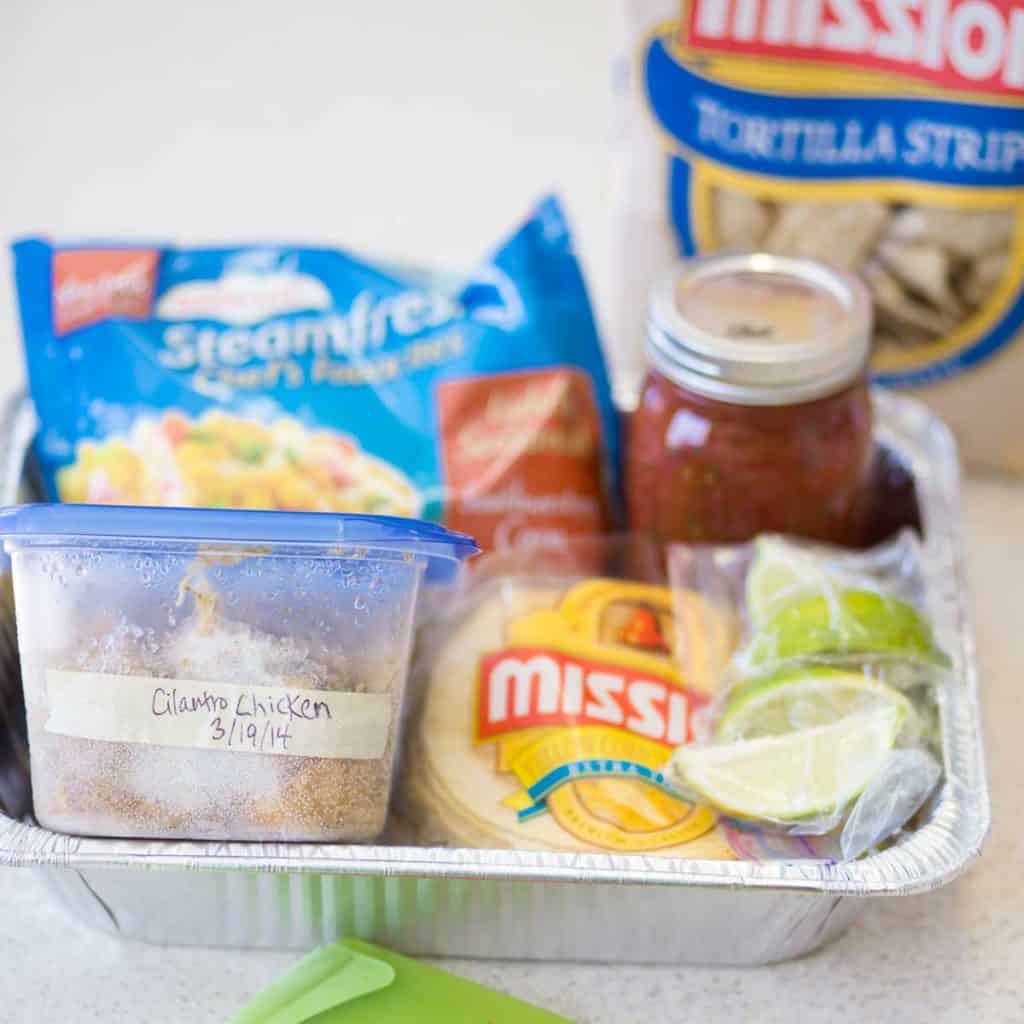
- Do ALL the Prep: Wash it, chop it, slice it, cook it, serve it completely ready to eat.
- Plate It: If you’re in the home with them, put the food on an actual plate. Serve it with a napkin and utensils. You can even go so far as to salt and pepper it if they desire. Then take the dirty dishes back for washing for them.
- Bring a Beverage: Help keep them hydrated. Offer a cup of tea, a glass of water, their favorite soda.
Are you part of a large group that wants to offer support? Then step up and be the meal train set up contact. Check in with friends, neighbors, and even church parishes for support.
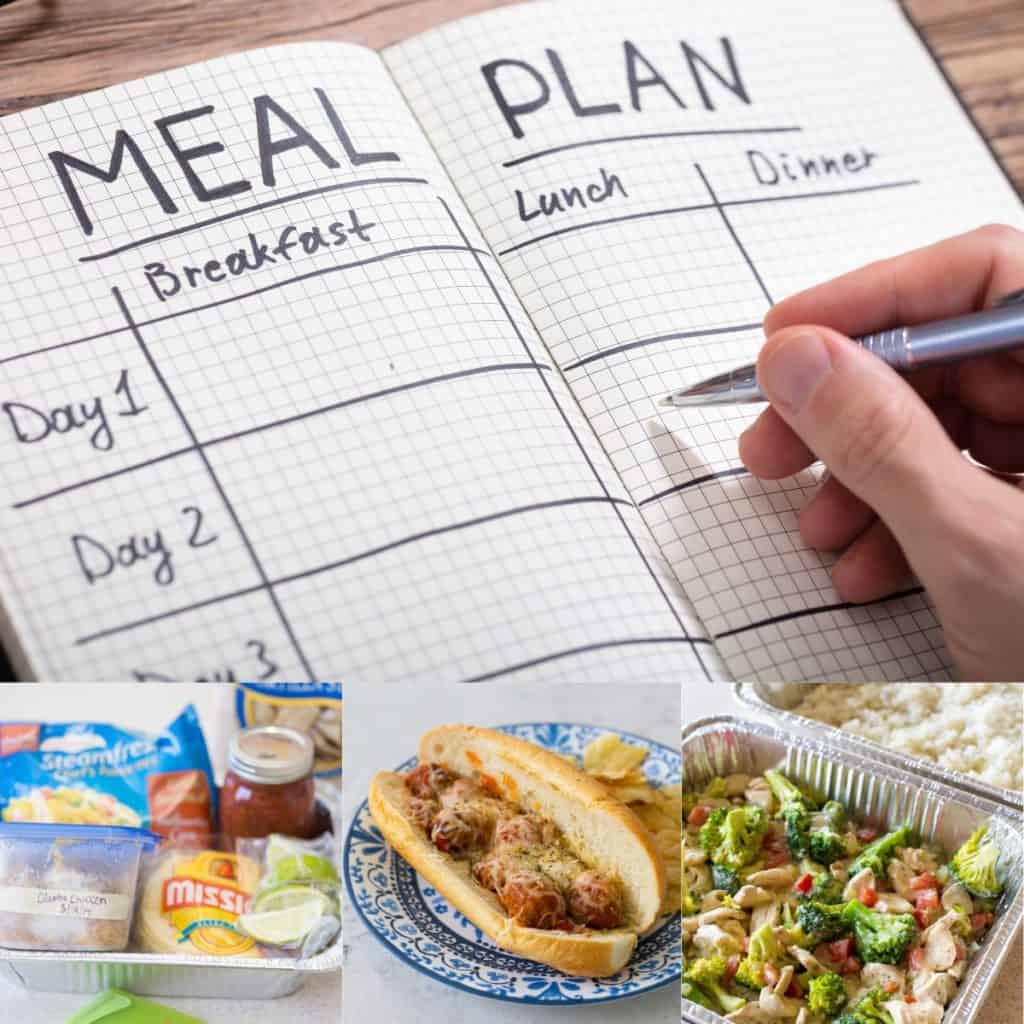

The Power of Food During Grief
Food is not about perfection, it is about nourishing someone you care about by meeting their physical requirements during a time when they cannot think of their most basic needs.
You’re removing one small burden to make space for them to heal and feel supported and loved.
Having been on the giving side and now on the receiving side of being fed through grief, I can tell you it is one of the most powerful ways to connect with those around us.
About Tiffany
Tiffany is a home-cooking enthusiast, three-time cookbook author, and creator of the sites Peanut Blossom, Peanut Blossom Book Club, and Don’t Just Fly. She believes that family dinner can be manageable, fun, and — most importantly — tasty. She lives in Charlotte, North Carolina, with her husband and two daughters and can often be found baking a loaf of bread with her beloved bread machine, reading a good book, or planning her family’s next adventure.