
How to Feed Someone Who is Grieving (Without Overwhelming Them)


If someone you care about is going through a difficult period of grief, you can help them by providing comforting meals to help see them through until they can care for themselves again.

When someone you love is facing deep loss, it can be incredibly painful to stand by and watch them hurt.
In those moments, it is easy to feel helpless and unsure of what you could say to make things better.
But supporting a grieving friend or family member doesn’t have to be complicated. Small, practical acts of care can communicate your love more powerfully than the perfect words ever could.
When someone I love is facing a challenge, my instinct is to show up with food. A homemade meal isn’t the only way to help, but it is one of the most tangible ways I know to ease their burden for a moment.
If you’re in a position to support someone you want to thoughtfully help feed a grieving family, I’ll walk you through exactly how to do it in a way that feels gentle, practical, and truly helpful.
Many Kinds of Grief
While many of us associate grief with the loss of a loved one, there are many reasons those you know may be experiencing profound sadness.
Serious illness, divorce, and miscarriage are just a few examples of pivotal events that can trigger feelings of grief and loss.
No matter what your friends or family are experiencing, these tips will help you in your efforts to support them.
Want to Save This for Later?
When You’re the Hands-On Supporter
In those early days of intense grief, even eating feels like an insurmountable task.
If you’re in the blessed position to give care to someone else who is grieving, the best thing you can do is to frequently offer foods in small portions that have already been chopped or prepped and are 100% ready to eat.
Reduce all the barriers between them and some nutrition:
- Peel back any wrappings.
- Serve the food on a small plate with a utensil and napkin.
- Offer a beverage to go with it so they stay hydrated.
Don’t worry if they can’t touch a bite.
Keep gently offering and sit with them to enjoy a plate of the same thing you’re serving so they don’t feel like they have to eat alone.
Small Portions Matter
Grief seriously impacts appetite. Even when they can begin to take a few bites, it is common they will not be able to finish a lot at a time.
It is better to offer up a plate with just a single piece of toast and a cup of tea than an overloaded plate with a scoop of casserole and sides.
Think in bite-sized servings on small, easy-to-hold plates.
If you’re participating in a meal train and dropping off dinner, think of main dishes that could be served in smaller portions and have leftovers keep well.
Things like soups or sandwich fillings for half-portion sandwiches can be eaten now and saved for later or even frozen for down the road.
Better yet? In addition to delivering your main meal, add a few easy snack items that could be enjoyed on their own.
Homemade Chex Mix, pre-sliced cheese and crackers, pre-washed and cut fresh fruit, or even a batch of fresh homemade scones or muffins are all very thoughtful add-ons.
Best Foods to Deliver
There are so many easy ways to participate in a meal train and they don’t all require you to cook:
- Homemade Meals: This is my first line of defense but think beyond the casserole. You can find my best meal train dinners to deliver here.
- Take-and-Bake Entrees: Check your local grocery store and butcher’s markets. You will find a wide variety of fresh pre-made meals available to cook at home. These are often more delicious and more nutritious than typical frozen dinners. Pair them with fresh fruit or a salad.
- Personally Deliver the Take-Out: Many meal train recipients will list their favorite orders at take-out restaurants. You can hand deliver a family-style meal from their favorite restaurant with a thoughtful note or some fresh flowers.
Timing Matters
The timeline for grief is different for everyone but at the very least, you can expect the following milestones:
First 3 – 5 Days
When grief is at its strongest, the appetite will be affected most.
Focus on encouraging soft and gentle foods. Consider easy-to-digest and easy-to-nibble items.
Every little bite counts.
Week 2+
Whether they’re ready to fully eat or not, now is the time to shift to encouraging real meals.
This helps to establish a new routine. It is best to bring dinners that could be easily divided up and then frozen and saved for later since appetite is likely still a struggle.
Month 2+
Grief often lasts much longer than people think to check in. As the weeks pass by and the counting turns to months, consider an uplifting delivery of a fun and delicious meal that might help spark a little joy.
This is where themed dinners come into play:
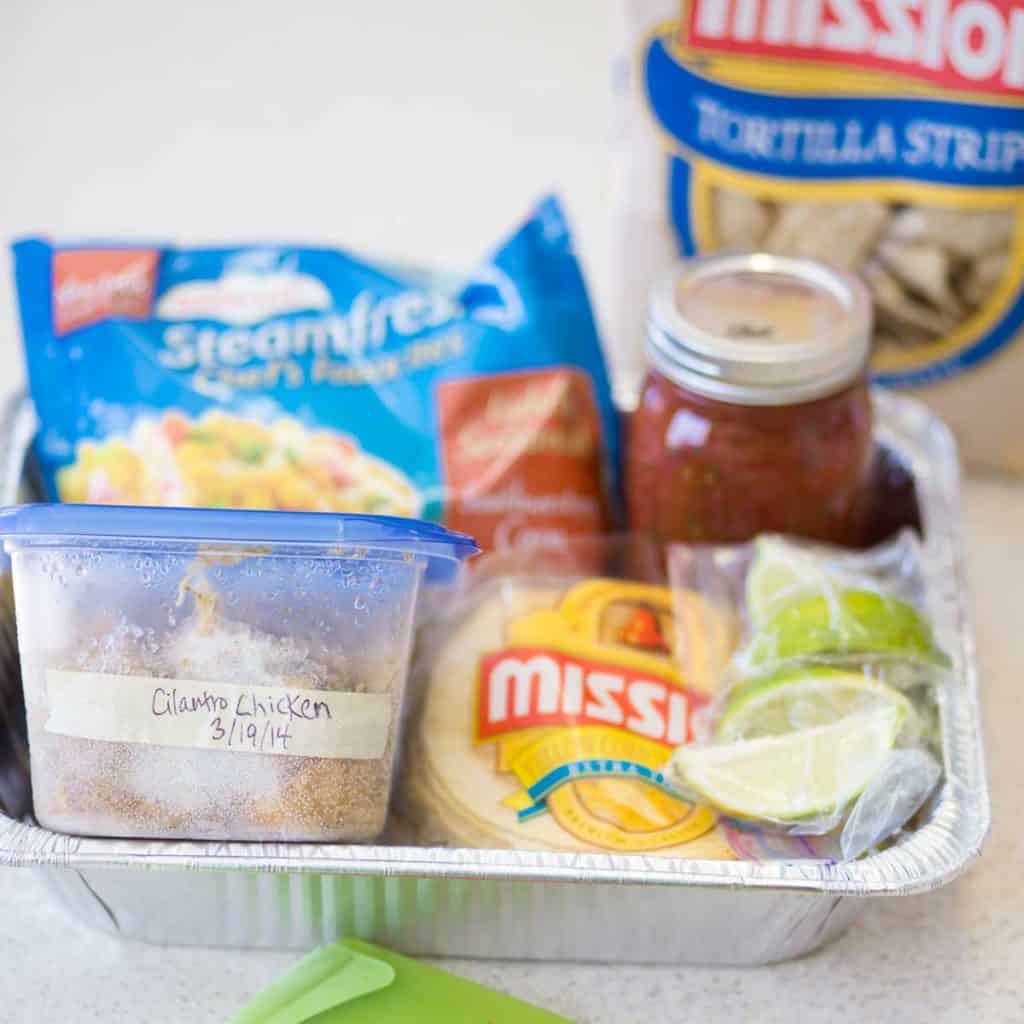
BBQ night with all the sides, a homemade pizza kit with dough and toppings ready for quick assembly, or a taco night with the fillings and toppings all prepped and ready for enjoying.
Do all the prep work for them so they can just enjoy the fruits of your labor.
A Final Note
One last thing to remember: Grief is exhausting. Even small decisions over what to eat, when to eat, whether to eat at all, can feel overwhelming.
Your goal is not to impress your loved ones but to help remove one small burden from their day.
A plate of sliced fruit.
A warm bowl of soup.
A sandwich already cut in half.
These are powerful acts of love. You may not be able to take away their pain but you can help carry the weight of dinner for a little while. This matters so much more than you’ll ever know.
Essential Meal Train Tips
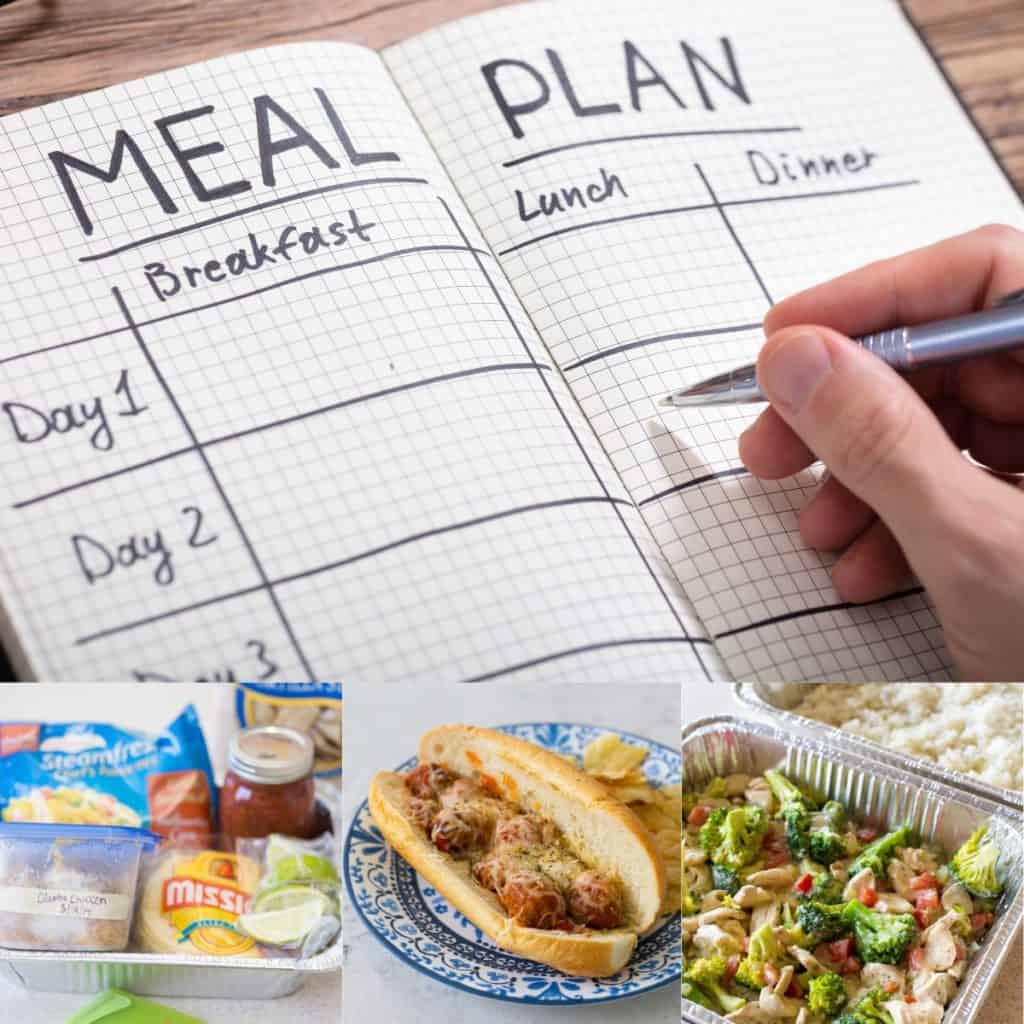
If you’re in charge of setting up the meal train for a larger group to help, you may also find these resources helpful.

FAQ
Yes — the first 3 – 5 days are when appetite is most disrupted and practical support is appreciated. This is often when families are overwhelmed with logistics, visitors, and emotional exhaustion.
Be respectful of their time and energy. They may not feel ready to host or entertain. Plan to drop the food off quickly, offer a few kind words, and leave without any expectation of a visit. Removing the burden of dinner is the gift, not your presence.
Don’t take this personally, grief affects appetite in unpredictable ways. Your gesture still communicates your care and support. The food may be enjoyed by other family that will be arriving to provide first-hand support or it might be frozen for later when it will still be useful.
Soft, easy-to-eat foods served in small portions are best in the early days. Think soups, toast, fruit, yogurt, and simple casseroles that can be frozen and reheated later.




About Tiffany
Tiffany is a home-cooking enthusiast, three-time cookbook author, and creator of the sites Peanut Blossom, Peanut Blossom Book Club, and Don’t Just Fly. She believes that family dinner can be manageable, fun, and — most importantly — tasty. She lives in Charlotte, North Carolina, with her husband and two daughters and can often be found baking a loaf of bread with her beloved bread machine, reading a good book, or planning her family’s next adventure.